Shortlisted for the 2026 Stella Prize
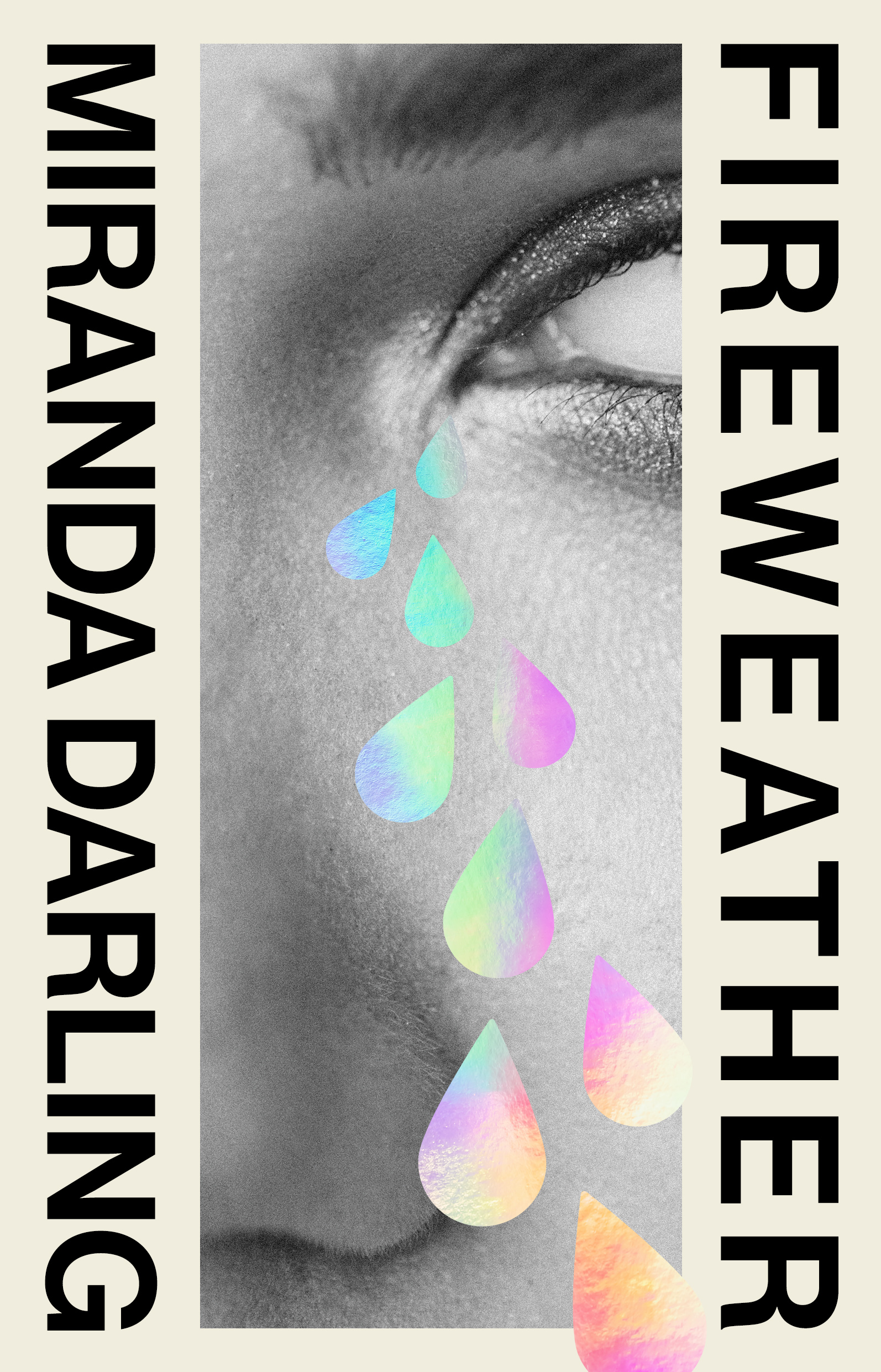
Miranda Darling – Fireweather
Fiction · Scribe Publications
About the Book
It all began when they started running away …
Life for Winona Dalloway is not as it should be. Her husband is no longer her husband, her children are not at home with her, and the city in which she lives is besieged by fires. Black ash falls like snow, songbirds screech like dinosaurs, and the doctors are calling her mad …
In this looking-glass world, Winona is forced to prove she is a sane, rational human being. As the pronouncements of the professionals grow more insistent, so too do the voices crowding inside Winona’s head. She seeks solace in the company of plants and animals, and begins to imagine an entirely other way of being — one that might make whole her broken heart.
“Darling’s stylised sharp prose shimmers on the page and pulls the reader in deeply to this narrative of feminist rage. There is music in this book, there is deep time, there is philosophy, there is a river of tears.”
– 2026 Stella Prize Judges
About the Author
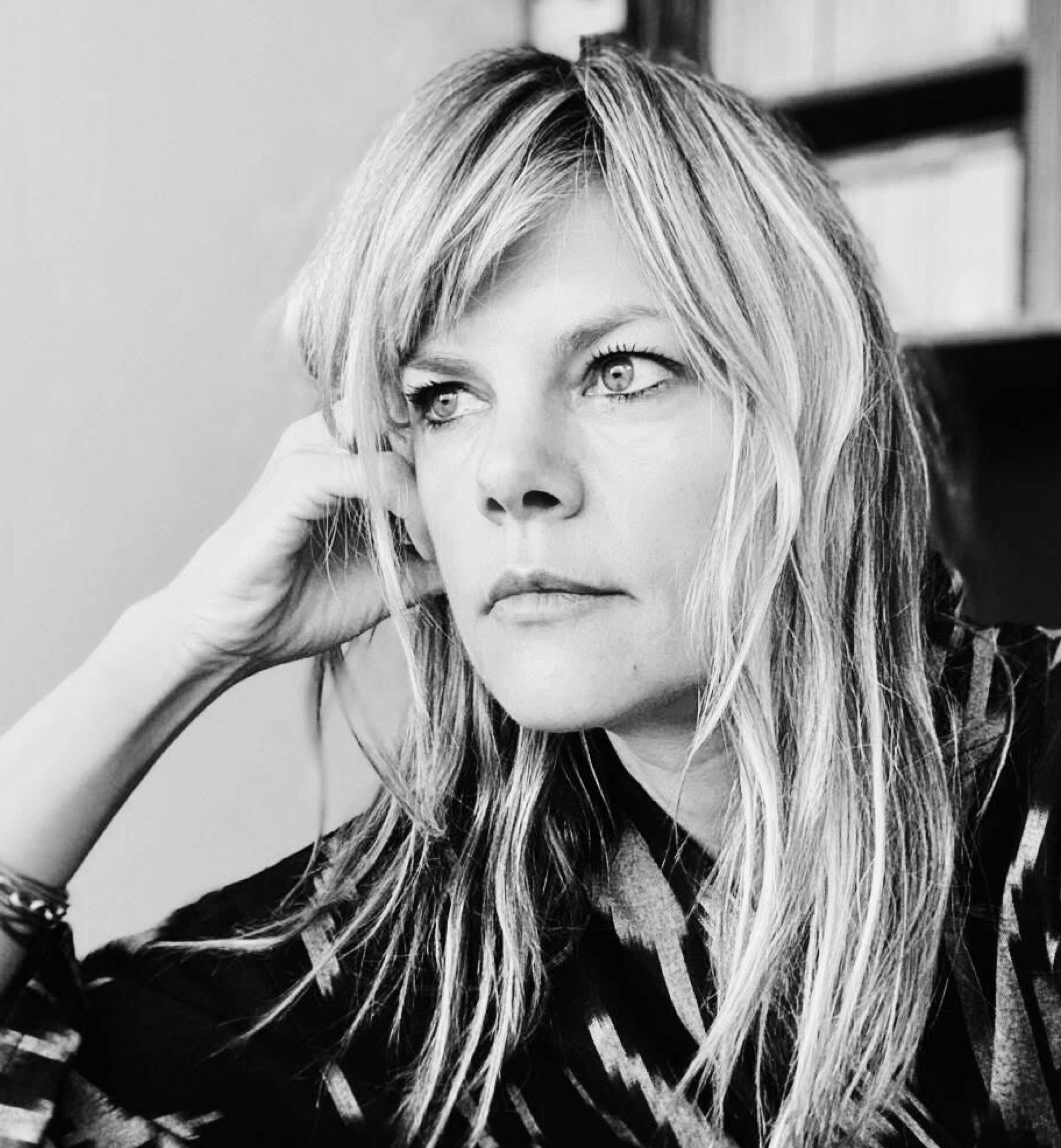
Miranda Darling
Miranda Darling is a writer, poet, and co-Founder of Vanishing Pictures. She has published two thrillers, two novels, and a non-fiction work on the Empress of Iran. Fireweather is her sixth book. Miranda loves to draw: her cartoons have featured in The Australian and tend to take on a life of their own. She regularly performs spoken word poetry and loves taking photographs, rambling walks, and practicing kendo. Mamma, short-order cook, divemaster, nomad at heart – like every women, she wears many hats, conjuring Visions and noticing the smaller miracles.
Interview with Miranda
What are some of your earliest memories of reading?
The first book I read on my own was The Wishing Chair Again by Enid Blyton. I have a powerful recollection of the exquisite thrill I felt when I realised I had unlocked the secret code – the words suddenly and almost magically alive, unfurling a story inside my head. My early memories of reading are of the emotional charge, of a deep, powerful yearning . . . I longed to become the protagonists, to inhabit the world of the stories, to have adventures and companions and this sharper, more intensely-lived life. I would often have to wedge myself between the bed and the wall, or a crawl-space under the stairs, the branches of a tree when I read, as if I needed somehow to make sure my body was stuck fast in case my imagination flew too high and took me with it and I would not be able (or maybe even willing..?) to find my way back.
Is there a book that dramatically changed your view on the world?
If This Is A Man. . . by Primo Levi. I read it first in my late teens and again in my early twenties – in the original Italian, and in English. It lodged in me as this wondrous shard of the most deeply human writing I had yet encountered. Levi’s quiet, compassionate intelligence shone through this dark book and transformed the heavy memories of the concentration camps into a work that was transformative for me. His writing showed me the power of the disposition of the writer’s gaze on the world; a horrific tale told with mildness, with glimmers of beauty, with philosophical enquiry – the attitudes of a man in full possession of his human credentials despite the dehumanising circumstances – resulted in a book that, I think, is like no other. His open-ended question, ‘if this is a man. . .’ is one I hold in my mind, my heart, every time I write a book.
What Stella listed book from the last 14 years do you think everyone should read?
Look What You Made Me Do by Jess Hill. ‘Brave’ is overused to describe books written about uncomfortable subjects, but Jess Hill’s book deserves a standing ovation for the clear-sighted courage with which it examines domestic abuse. It is brilliantly written and researched, terrifying, and extremely necessary. (Also, I’m currently reading Hannah Kent’s Burial Rights which I am absolutely loving.)
What’s a quote about either your book or the role of literature in shaping culture?
My book is a slim shard of resistance sandwiched between the prettiest of covers – full of tender fury at injustice, of refusal to accept mechanistic paradigms as the meaning of life, tilting at a world out of balance. . . it’s funny, it’s dark, it’s a love story.
What do you hope readers take away from your book?
I never wish to be didactic. . . perhaps I would hope that the quality of the reader’s attention shifts, that their thoughts soften, their gaze becomes porous enough to consider other ways of seeing, and of being in the world; perhaps the book might awaken the curiosity to vibrate differently in the world, to refuse to participate in broken systems. The reader might feel less alone in their discomfort with paradigms that no longer serve them and perhaps never did. . . they might see a means of a resistance of their own in Winona’s quiet choices. . . I would hope the work might remind readers that beauty, truth, and goodness – love too – still matter. It’s all that ever did.
How are you celebrating being shortlisted?
I’m smiling on the inside! Honestly, I think it’s still sinking in…. every now and then I stop and consider the news and allow myself to acknowledge that the book (and Winona) has connected powerfully with other humans and this gives me great joy. That quest for connection lies at the heart of why I write, so making the shortlist feels like I am carrying some small evidence of invisible bonds forged like a jewel in my pocket as I go about my day. It feels very special.

Further Reading
Reviews
“Darling writes feminist fiction infused with wit, intertextuality and a poetic command of language, creating a compelling, intricate internal voice that stands, too, as a critique of institutional misogyny in psychiatry.” – Cameron Woodhead, The Sydney Morning Herald
Links
Judges’ Report
Against a backdrop of raging bushfires and devastating winds, we reunite with Darling’s protagonist, Winona, from her previous book Thunderhead. Winona has somehow broken free from the claustrophobic domestic purgatory we last encountered her. But she is in no way free from societal expectations of her as a woman, as a mother, as a sane person or from the control and power of her cruel now ex-husband. A chorus of voices fill Winona’s mind offering advice, wisdom and confusion. She finds solace in abandoned plants and cuttings as well as animals but the forces that threaten her are strong. Darling’s stylised sharp prose shimmers on the page and pulls the reader in deeply to this narrative of feminist rage. There is music in this book, there is deep time, there is philosophy, there is a river of tears. And there is a woman fighting for her children and for her essential self.
Explore the latest from Stella
From the 2026 Stella Prize Chair of Judges, Sophie Gee What an honor to be standing in this room of distinguished Australian …
This month Stella celebrates Rapture, longlisted for the 2025 Stella Prize. We sat down with Emily to discuss character building in historical …
My business is more with pictures, rather than words, and so I’m nervous to give this speech, especially in a room with …
Help change the story
As a not-for-profit organisation with ambitious goals, Stella relies on the generous support of donors to help fund our work.
Every donation is important to us and allows Stella to continue its role as the leading voice for gender equality and cultural change in Australian literature.
Stella is a not-for-profit organisation with DGR status. All donations of $2 or more are tax-deductible.
SUBSCRIBE
Join our mailing list to stay up-to-date on Stella news, events and opportunities
Stella is grateful to the ongoing generosity of our supporters:

CONTACT STELLA
The Stella Prize Inc
info@stella.org.au
ARBN: 657 317 283
Stella acknowledges the Traditional Owners of the land throughout Australia and recognises their continuing connection to land, waters, community, and culture.
We pay our respect to Elders past and present and, through them, to all Aboriginal and Torres Strait Islander people.
Website design canyonbrand.com