
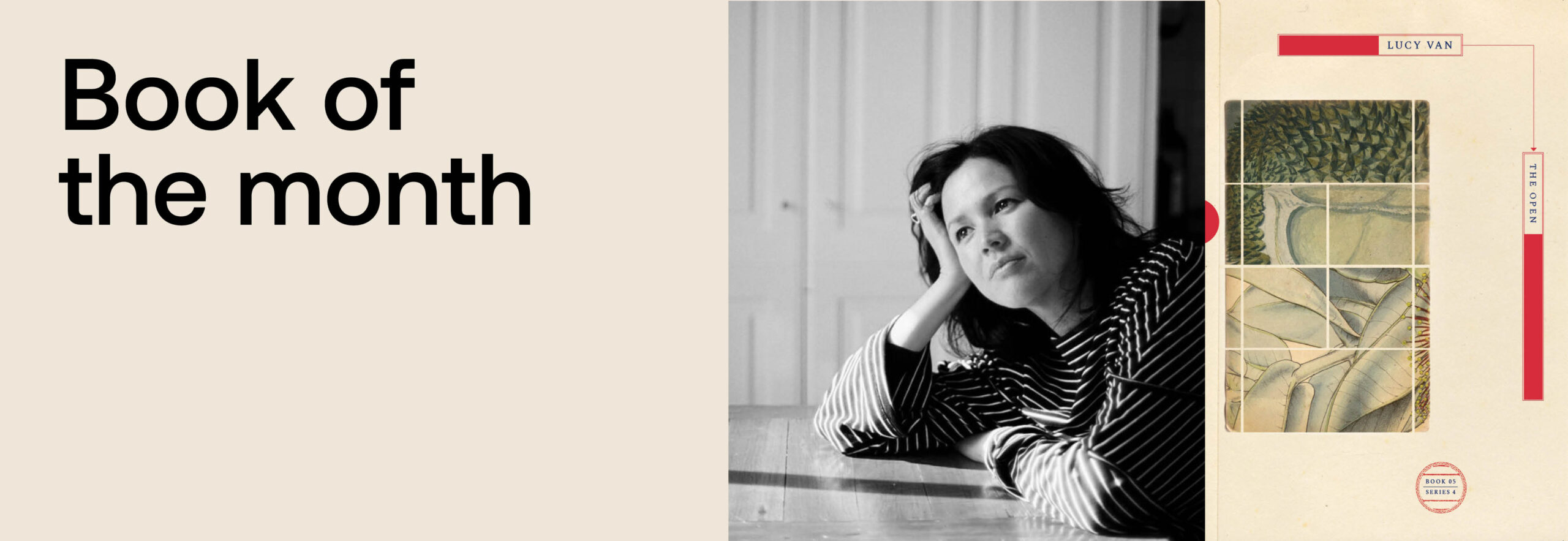
This month Stella celebrates The Open, longlisted for the 2022 Stella Prize.
We sat down with Lucy Van to discuss the role of readers as collaborators, and the immortality of poetry.
What are you reading at the moment?
Right now, I’m reading Frank McNamara’s poem, ‘A Petition from The AA Co Flocks at Peel’s River in behalf of The Irish Bard.’ The reason I’m reading this is because I’m doing some research assistance with Thomas H. Ford’s new project on Australian colonial poetry. (The project puts together a very important history of the Australian settler colony—poetry as the condition for this history; poetry as the expression of this history.) I can’t say for sure that I’d be reading Frank McNamara (aka ‘Frank the Poet’) for fun (pastoral otium), but I find it very fun that reading this poem happens to be the work I’m doing today (theoretically georgic).
The sheep talk in ‘A Petition’ – and it turns out sheep rarely do talk in pastoral poems. Here’s a bit of what they say in the instance that they do:
We yet shall hear
His Merry Songs
On fair Killalas plain
Kind Heaven shall
Avenge the wrongs
Of our much injured Swain
I like how the poem ends with a vague and dangling threat to deal with those who wronged their swain and I wish to see more contemporary poems end this way—
I’m also reading Pam Brown’s Guess the Experience, which is magnificent. The other day I was watching some World Cup panel where one of the panellists was someone who formerly played for Ghana. He was talking about what it’s like to play against Lionel Messi and he said, ‘when you stand out there with Messi, it’s like you don’t know how to play football.’ This is a little like what it’s like for someone like me to read Pam Brown, it’s like, oh right, so that’s what poetry is; I … don’t know how to write poetry—
Do you remember how you felt when you found out you’d been longlisted for the 2022 Stella Prize?
I remember exactly what it felt like and I even remember exactly what I was doing. I was pushing the pram of my then-newborn daughter, Rosa. She was asleep in it, and I was standing with the pram waiting for the pedestrian light to turn green. I pulled out my phone and opened my email and I guess I missed that green light as I stood there with my open phone and my daughter’s pram, trying to understand the words of that email. It’s like … on their own, I understood what the words meant, but put together it came to me very scrambled. Prize? Longlisted? You? Congratulations? What did these words mean? I never thought of that book as something for prizes. I was completely amazed. It was a feeling of lovely, delicious amazement. I’m still amazed.
What draws you to poetry as a form? Do you find poetry lends itself to collaborative or multimedia projects?
I think poetry draws people in … whether they like it or not. Innocent bystanders and the not-so-innocent. I am both drawn to and repelled by poetry. Not often neutral … I am never or perhaps better to say, very rarely sure of my relationship with it. I am drawn to poetry the way I am drawn to gossip, secrets, infamy, fetish objects. Sometimes I’m drawn in and become angry, or unhappy, or embittered. Sometimes I’m drawn in and get majorly delighted. Nearly always I’m confused. Anyway: yes, I am drawn to it. I like what Tyne Daile Sumner says about lyric poetry (in her book about lyric and surveillance, The Lyric Eye):
The lyric, unlike the algorithm that processes the gap between the human and their metadata, is always reflexive of the distance between the real person and his or her representation in the world. Its primary strategy is to keep us guessing; its goal is to increase, rather than decrease, the complexity of the subject at the centre of the poem.
In terms of collaborative projects: I think poetry is collaborative but in a way that is different to the way we might assume from that word. It is collaborative because it is ‘collusive’, because it is a way of getting ‘up to something.’ But yes, it is fundamentally collaborative, there are stakes; even if you’re ‘just’ a reader, you have to put something on the line (literally) in order for the poem to come into being. Actually, the reader is the most furtive and alive and collusive collaborator of all; they are the most important part of the conspirators.
As for the multimedia aspect of poetry: yes, it works very well with other media. I’m thinking of Harmony Holiday’s work with recorded music and old print media. I’m also thinking of something PiO once said: the richest seams of poetry exist where poetic language touches another language or art or media form. Oh yes, I’m also currently reading The Vermont Notebook by John Ashbery and Joe Brainard. Ashbery’s poems with Brainard’s artworks. Beautiful example of these things touching, of different artistic ‘languages’ leaning on one another.
The Open collects poems in different layouts and shapes, as the poetic form shifts and moves throughout the sections of the book. How did these poems find their structure? Did you consciously choose form, or did the lines find their way naturally with the content?
I’ve got to give a huge, the hugest possible shoutout to the brilliant editor, and of course, unparalleled poet, Bella Li, who saw what was happening with the layouts and shapes in the book and really guided their movement. I don’t think the shapes and structure/s in The Open would be anything without her insight and intervention.
So, yes, while there are elements of consciously choosing form when writing the poems, and also an important component of form that was unconsciously chosen (is that an impossible phrase though? … I think what should be emphasised here is the role of collaboration. Poets really owe everything to their editors. Maybe this is just a good moment to encourage poets to take an edit … it’s a very interesting thing to bring into the way you work – an openness, a letting go of your own authority.
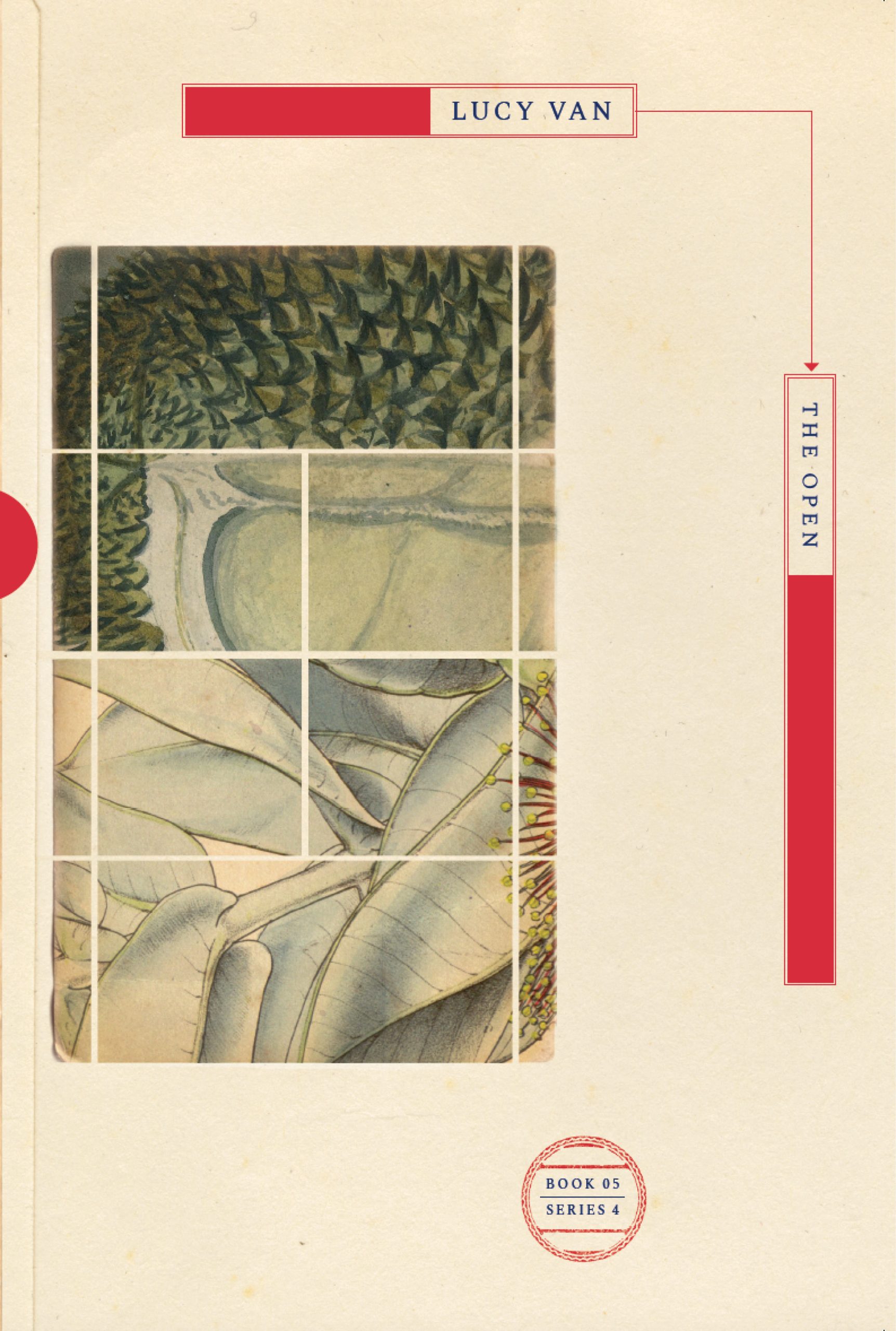
About the Book
“The ocean passes beneath these poems and one inevitably gets wet. It’s ‘a liquidation of territory’, whether in Vietnam or in Australia, or between what’s touched and what’s yet to be touched. Site of frission. Contention. Then insight. These prose poems start as a moment flowing in interior monologue into multiple spaces and times. Then sneakily, and bravely too, they open estranging doors, so poetry starts reading like short story becoming extemporaneous discourse, erudite and interrogative, hopscotching from Foucault to Kristeve to Malouf to Plath. Van’s quicksilver to-ing and fro-ing creates an insight-coaxing discombobulation.”
– Merlinda Bobis, ‘Introduction’ to The Open.
The Open invites an understanding that the privacy and vulnerability necessary in order to make these decisions is complex and fraught.
2022 Stella Prize Judges
You explore ideas of place – the nature and bounds of it, the physicality, and the history of place – in The Open. How do you hold space for the personal and political at once? How do you begin to explore the complexity of a settler-migrant experience of place?
I don’t think it’s possible to hold the space for these things at once. We might try but our hands are tiny and there are too many gaps between our fingers and eventually nearly everything falls through the container we intended for holding. Place most of all: place cannot hold itself, cannot place itself … that’s why people find it disturbing to revisit, say, their hometown or even, if they ever can, the house where they were young.
Ok, to answer the question: we work in relation to the impossibility of holding these spaces. Our personal turns out to be out there in the hugest of public arenas (history); history turns out to be this dialectical flash, knowable only as its knowability blows apart (I’m thinking of Benjamin).
As for settler-migrant complexity … I don’t think we settlers and settler migrants ever ‘know where we are’, and I also don’t think ‘knowing that we don’t know where we are’ is any kind of solution or balm for this (I’m thinking of Adorno’s wrong life cannot be lived rightly). But I find this – as a place to begin – very intriguing and exciting, even if or even especially if it sounds a little gloomy, because it is true.
Judges Report
The Open is a prose poetry collection that explores the pressures of colonisation and capitalism, and the alienation and dislocation they engender.
Broken into four sections, Lucy Van’s poems speak independently and harmoniously. The motif of doors recurs throughout this collection, but as with all of Van’s imagery, the metaphor is always rich and multi-layered: the hinge of an apostrophe and its implications of possession and ownership, the swing of personal and political history, which interrupt each other and reveal the fallible nature of memory, the contradictions of privacy implied by the permeable boundary of a screen door. Van starts with the familiar, then accelerates and expands on its implications, always taking her reader to a fresh space in which to turn these ideas over in the mind again and again and find new meaning in them.
The back and forth of Van’s collection demonstrates gradually over time the burden of choice. Despite the speed of living that the ongoing colonial project demands, one is still left with the responsibility of making decisions about how to be and what meaning to make in the world. The Open invites an understanding that the privacy and vulnerability necessary in order to make these decisions is complex and fraught.
Do you think your work as a book critic informs the poetry you write?
Yes, entering, quite casually, the work of another writer under the guise of ‘reviewer’ affords incredible access to the nervous system of the work, and aspects of language not always available to us. It is exhilarating and I would love to write only reviews, and no more poems, if I had to choose one. I think to explain what a poem is doing requires something more of yourself than just making one ‘original’ poem yourself. Maybe. I don’t know. But there is precedent. At some point, the Ancient Greeks (I have been told) wrote ten-thousand-word book reviews. Now that’s what I’m talking about. Longinus writing on Sappho also pushes the immortality of verse by preserving the original poetry, by citing it. Yes, book reviewing, because it is citational, has something to do with immortality, and I think that’s something we shouldn’t forget.
Several threads in this book are in conversation with the literature cannon, engaging with ideas from philosophers, critics, and ancient writers and thinkers. Tell us more about the texts that influenced this book. Do you have any texts that come to mind that engage with a literary cannon that contains or replicates the structures that the text is interrogating?
This is a very hard question! In terms of what influenced me … ultimately, the diaries of the mid-century composer, Ned Rorem, were somehow very close to my heart when I was writing some of the poems. Bitchy , flippant, somehow both puritan and vain at the same time, I don’t know exactly how these diary entries ‘influenced’ my work – I don’t know that there’s a direct correspondence – but maybe this is because, as Paul Valery once wrote, we overuse the word ‘influence’ without understanding it. I read somewhere that Roland Barthes would read Sartre every morning to ‘get him in the mood’ to write; this is what influence is … Rorem somehow got me in the mood. Sadly, I’m not sure his musical compositions stand the test of time, but his diaries are gold.
Finally, what is next for you? Tell us about your recent and upcoming projects.
My next project is a book about protein consumption, stone swallowing, and love.
About the Author
Lucy Van
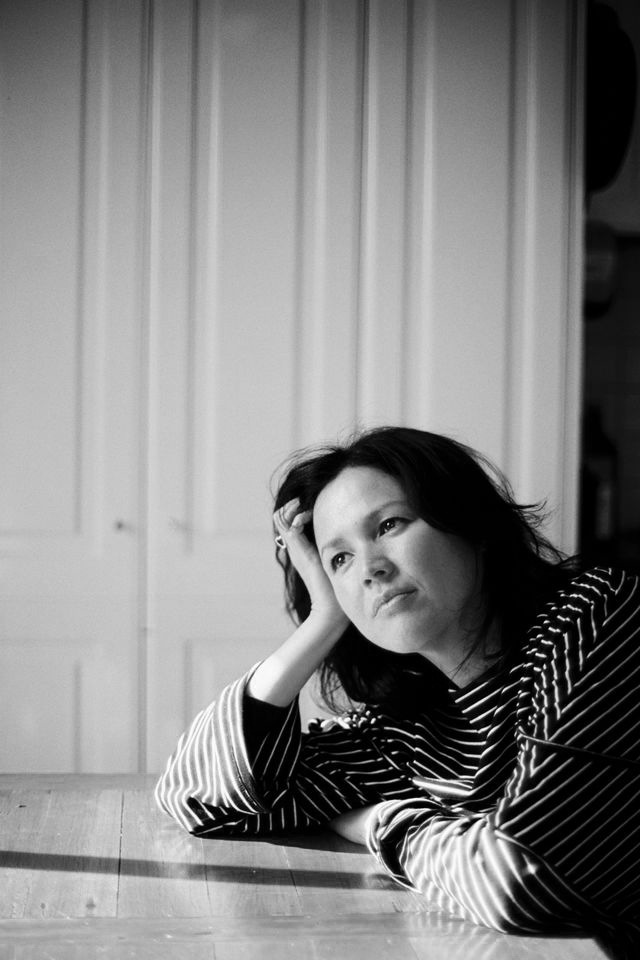
LUCY VAN writes poetry and criticism. She has published Figures (Purely Physical 2017; Boomkat 2022), The Open (Cordite 2021), Australian Women Photographers: Other Times, Other Views (Anthem 2024) and MATERIAL (Permanent Draft 2026). She has been listed for prizes including the Stella, Mary Gilmore and Anne Elder, and won the Woollahra Digital Award for non-fiction (2024). She is a researcher at La Trobe University.
Headshot by Leah Jing McIntosh.
Further Reading
Reviews
“Van’s absolute strength is infusing small images with the emotions of decolonisation.” – Clare Millar, Readings online
“…as the title suggests – open, in both its honesty and its capacity to encourage and sustain readings from many angles of approach.” – Riley Faulds, Westerly
“Each book deserves a broad readership. Each beats back the lethargic thinking that has invaded society under the cover of the pandemic.” – Anders Villani, Australian Book Review
Links
Read Merlinda Bobis’s introduction to The Open viaCordite Poetry Review
Read ‘5 Questions with Lucy Van’ via Liminal Mag
Listen to ‘Tell Me Like You Mean It: Lucy Van’ via the Emerging Writers’ Festival
Explore the latest from Stella
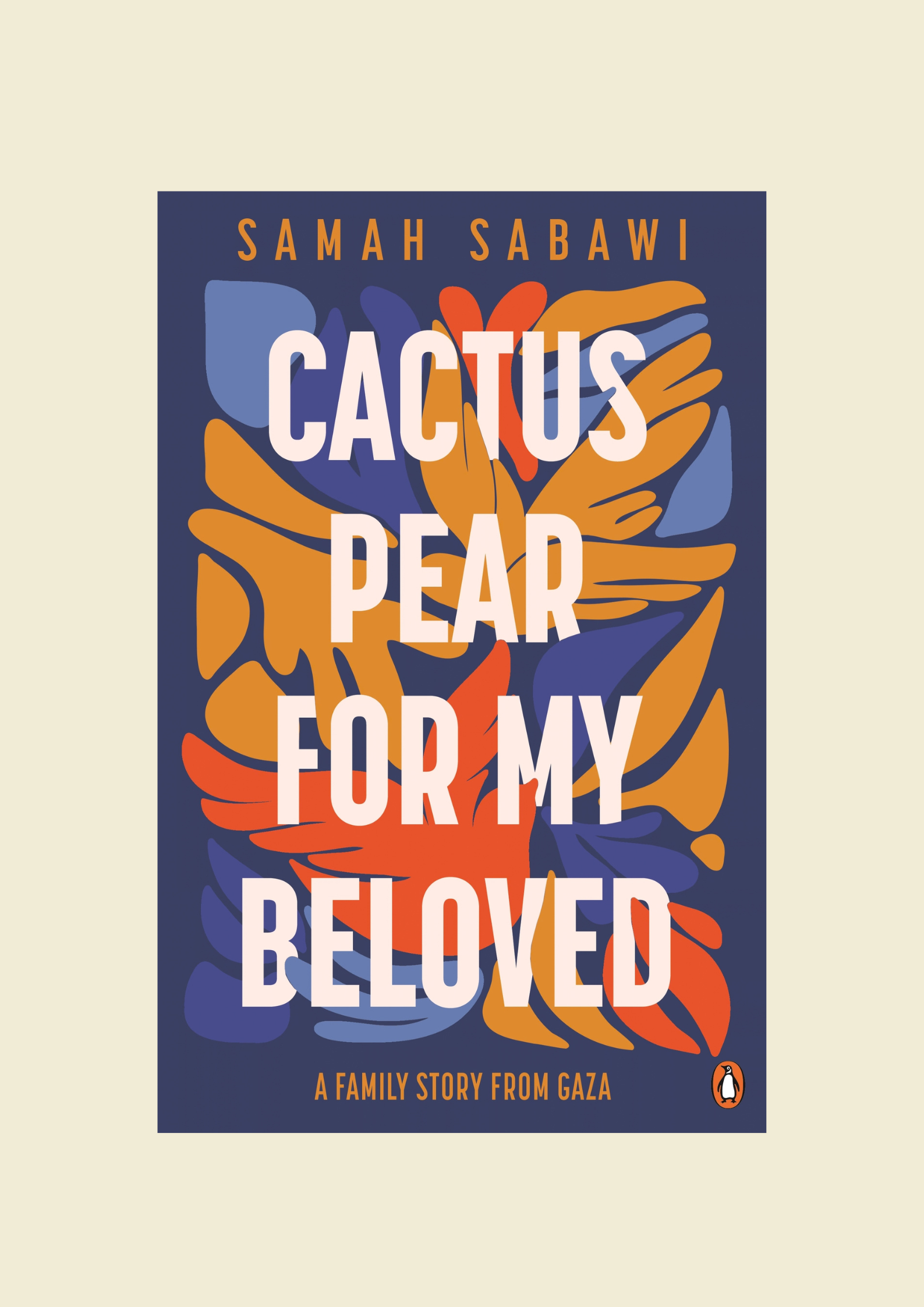
This month Stella celebrates Cactus Pear For My Beloved, shortlisted for the 2025 Stella Prize. We spoke with Samah Sabawi about reimagining …
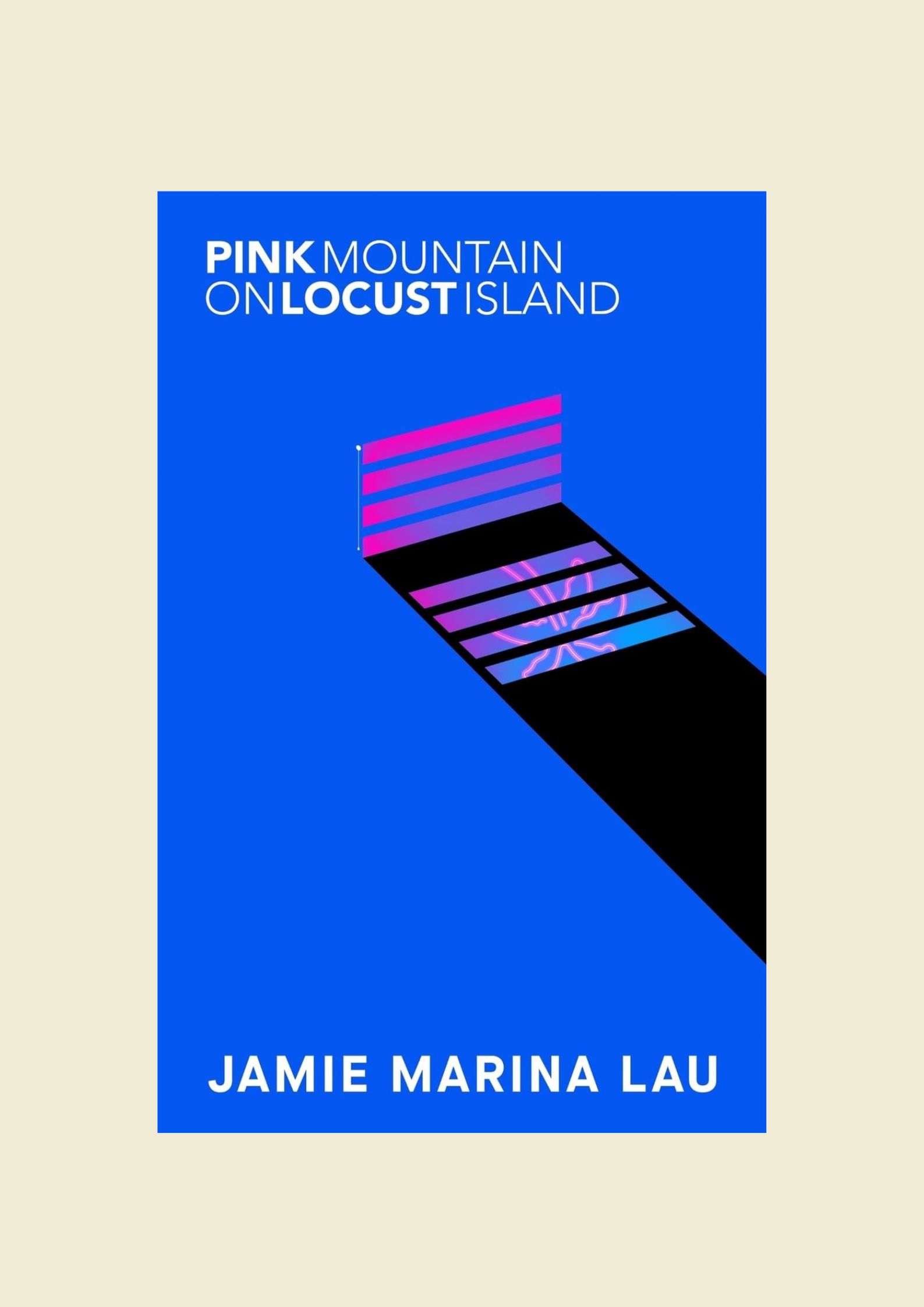
This month Stella celebrates Pink Mountain on Locust Island, shortlisted for the 2019 Stella Prize. We spoke with Jamie Marina Lau to …
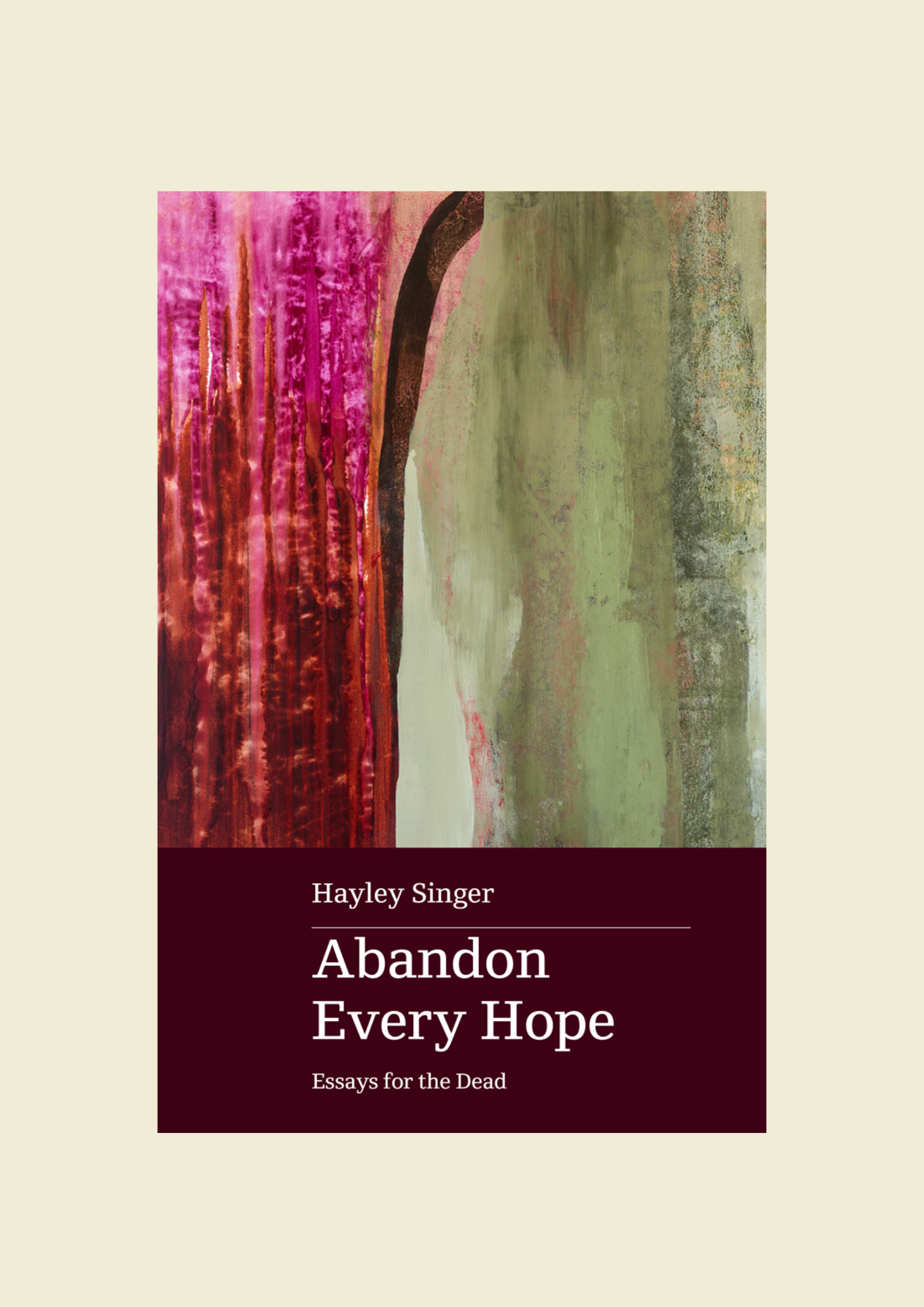
This month Stella celebrates Abandon Every Hope: Essays for the Dead, shortlisted for the 2024 Stella Prize. We sat down with Hayley …
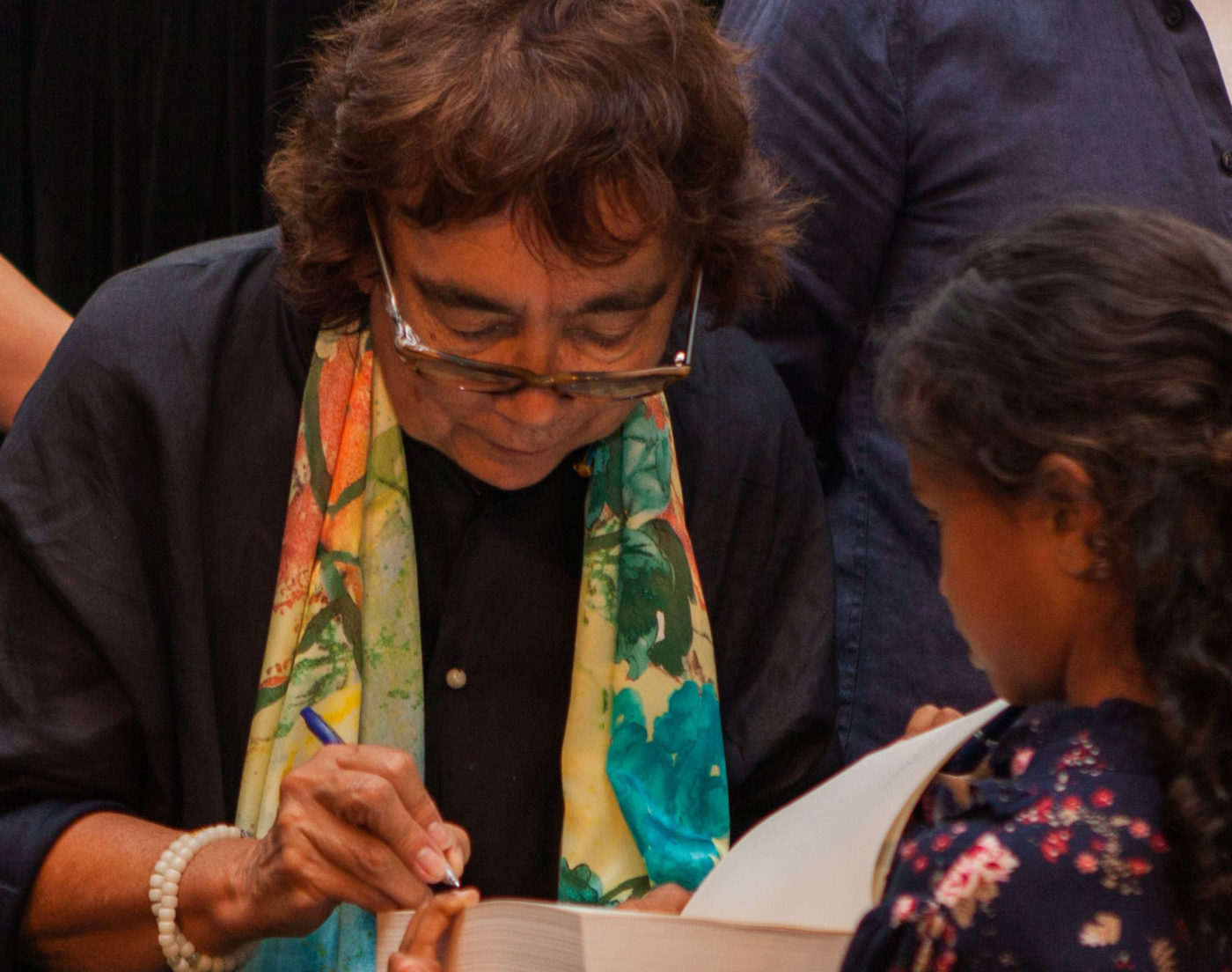
Help change the story
As a not-for-profit organisation with ambitious goals, Stella relies on the generous support of donors to help fund our work.
Every donation is important to us and allows Stella to continue its role as the leading voice for gender equality and cultural change in Australian literature.
Stella is a not-for-profit organisation with DGR status. All donations of $2 or more are tax-deductible.
SUBSCRIBE
Join our mailing list to stay up-to-date on Stella news, events and opportunities
Stella is grateful to the ongoing generosity of our supporters:
CONTACT STELLA
The Stella Prize Inc
info@stella.org.au
ARBN: 657 317 283
Stella acknowledges the Traditional Owners of the land throughout Australia and recognises their continuing connection to land, waters, community, and culture.
We pay our respect to Elders past and present and, through them, to all Aboriginal and Torres Strait Islander people.
Website design canyonbrand.com