
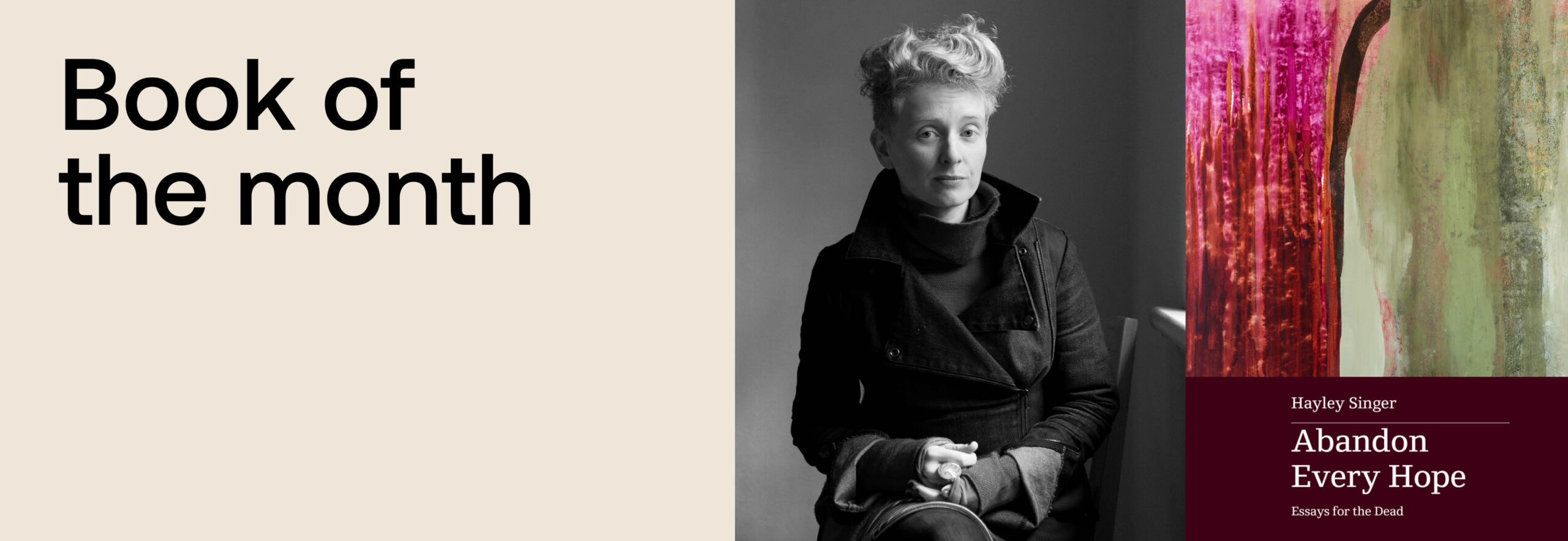
This month Stella celebrates Abandon Every Hope: Essays for the Dead, shortlisted for the 2024 Stella Prize.
We sat down with Hayley Singer to discuss how the book came together, and readers’ reactions to it.
What are you reading at the moment?
I am always reading multiple books because I learn so much from the dialogue that happens between texts. Right now, I’m reading Caroline Elkins Legacy of Violence: A History of the British Empire alongside Hannah Proctor’s Burn Out: The Emotional Experience of Political Defeat. Before this, I was moving between Maggie Nelson’s The Slicks (a twin-essay about Taylor Swift and Sylvia Plath) and Hilton Als’ My Pin Up: A Pean to Prince.
Do you remember how you felt when you found out you’d been longlisted and shortlisted for the 2024 Stella Prize?
I thought the book would be politely ignored so I was shocked and thrilled that it found this generous readership with the judges. I felt grateful, too, that a book that maintains a focused attention on slaughterhouses was given public support by Stella. I think the support made the book approachable in some ways. Reassurance, maybe, that reading it wouldn’t feel like drinking poison.
The essays in Abandon Every Hope take different shapes and structures – from fragmented prose to personal diary interiorities, to a film script. Did these forms find themselves organically? How do you decide what form each essay takes?
Intuition and craft come together in my writing in ways that feel natural so there are conscious decisions and organic modes of working-through-feeling that happen simultaneously. For years now I have focused on trying to understand the ways I track socio-cultural traces, remainders and excesses in my writing, so I understand when a form just feels right for a certain subject. I mean, I know when it feels right to me.
In writing this book, I knew I wanted to work with the logic of severance because that is the logic of slaughterhouses: multispecies families are cut off from each other, throats are slit … The architecture of slaughterhouses work, in part, by cutting animals and workers off from certain sight lines so that the animals pushed into these spaces can’t necessarily see what’s coming ‘round the corner … Bringing this logic to writing meant the essays needed to end abruptly, contain uncanny or sickening swerves, overcrowding and difficult shifts. In each essay I knew I had to work with one, or multiple, of these strategies.
About the Book
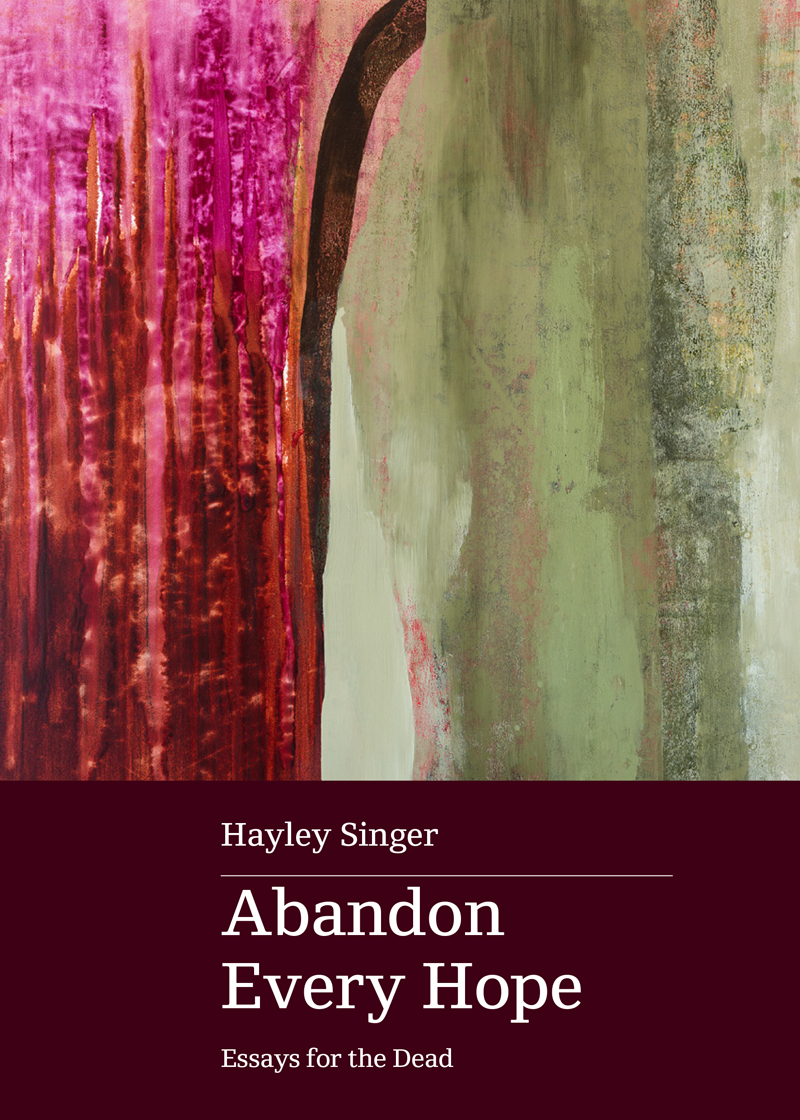
Can anyone smell the suffering of souls? Of sadness, of hell on Earth? Hell, I imagine, has a smell that bloats into infinity. Has a nasty sting of corpses. What was it Dante wrote? Abandon Every Hope is a lament, a deranged encyclopedia and a diary of anxiety. How can anyone document the vastness of violence against animals in a bloated industrial age? Hayley Singer investigates the literatures of the slaughterhouse to map the contours of a world cut to pieces by organised and profit-driven death. In her compelling and poetic prose, Singer asks how we may write the life of the dead; the smell of an egg factory; of multispecies PTSD; of planetary harm and self-harm: of the horror we make on Earth. Where does the slaughterhouse begin and how can it end?
Experimental and jostling in its use of poetic, lyric, academic and reflective writing styles, this book grapples with the industrial meat complex.
2024 Stella Prize Judges
Can you talk about how you researched this book, and your influences as a writer? What role does canon and literature play in these narratives – particularly ‘literature founded on the assumption of human supremacy’?
This book started life as a PhD in creative writing and I spent years swimming through literary theory, flesh-focused novels and critical animal studies scholarship. In critical animal studies, I had the opportunity to learn from incredible feminist philosophers who worked to understand the power dynamics hidden in everyday language. Language that they could see normalises and naturalises human-centred thinking.
After getting lost in philosophy, I found ideas of human supremacy in so many novels that are included in the Western canon. The details of more-than-human lives were consistently backgrounded, even if they appeared to be foregrounded. Often an animal would embody human qualities and would be used to tell a human story, or, the texts were bound up in those ‘common-sense’ narratives that reinforce other species as inherently useful or usable.
In the PhD I was examining a concept called the ‘fleischgeist’ which literally means “flesh ghost” or “meat spirit.” The concept of fleischgeist describes the condition in which humans are haunted by the spectres of ‘our’ flesh in visions of meat. It’s a kind of cultural and culinary haunting but, also, given that the term is a pun on Hegel’s concept of the zeitgeist, it speaks to the idea that meat embodies the spirit of our times. The term fleischgeist came to me from the editorial of a short-lived culinary journal called meatpaper. If you find old copies of it, I encourage you to read. It’s fascinating.
Judges Report
Singer refuses to comply with the blasé orthodoxy of either moral shrillness or expedient looking away.
Few of us will grapple with a thanatography (an attempt to write death), few of us will do so with the brutal, confronting compassion that Singer does in Abandon Every Hope: Essays for the Dead. Experimental and jostling in its use of poetic, lyric, academic and reflective writing styles, this book grapples with the industrial meat complex, from slaughterhouses to cannibalism and beyond.
These fragmentary but, ultimately, coherent essays insert themselves into consciousness, long after the time required for their reading. Notwithstanding the gruesome, and sometimes gruelling, subject matter, this is a work that rewards bearing witness, a book where attention and looking – looking and looking and not looking away – offers the reader the opportunity for transformation and agency and, perhaps oxymoronically, hope.
In this book, the narrator is a witness to an oversaturation of horror and some truly graphic scenes of mass industrialised slaughter through the internet. What do you think drives us to write about this experience of being a witness?
There are a lot of things that drive me to write about the experience of being a witness. For one, it’s a way to keep grounded in reality while being surrounded by strong social and cultural tendencies to avoid the violence done to other species. In this book, I worked to see if could hold open a little bit of space for the violence. And, if I could ask people to sit with me while I did it.
Literary theorist Ross Chambers has written about witnessing in ways I find vital. What he says about it pretty accurately describes why I was driven to write some of the violence. He says: witnessing is a rebellious act that involves two ethical movements. 1) refusing to flee in the face of injustice or atrocity, and 2) taking on the task of cultural transgression in an environment of complacency.
I am also captivated by Maggie Nelson’s writings on art and cruelty. I am especially galvanized when Nelson talks about art’s capacity to offer unpredictable insights into life, death and relations of cruelty, and that this allows art to do vital political work. Although, I often feel that this book is less a work of art than an exercise in gathering receipts.
Abandon Every Hope gives space to grief of many kinds, including the loss of sense in a world full of violence, examining the ‘compatibility between violence and rationality’. What kinds of responses do you hear from readers of your book, and do any of them surprise you?
People have told me they ‘micro-dose’ the book and I’m fascinated by this kind of reading – is it curative? Experimental? Certainly it’s episodic, once every three days, taking only a fraction at a time, nothing to cause too much of a reaction.
Finally, what is next for you? Tell us about your recent and upcoming projects.
For a couple of years I’ve been writing about two women who lived in a house at the top of a cliff in coastal isolation. It’s not biography and not exactly history, more of a postmortem portrait. It’s a slippery work of outsider truths, small-town fictions and everyday omissions. In writing this book, I have been travelling through art worlds, dreams, war, farming and code-breaking to find these women who have been buried piece-by-piece across the twentieth century.
About the Author
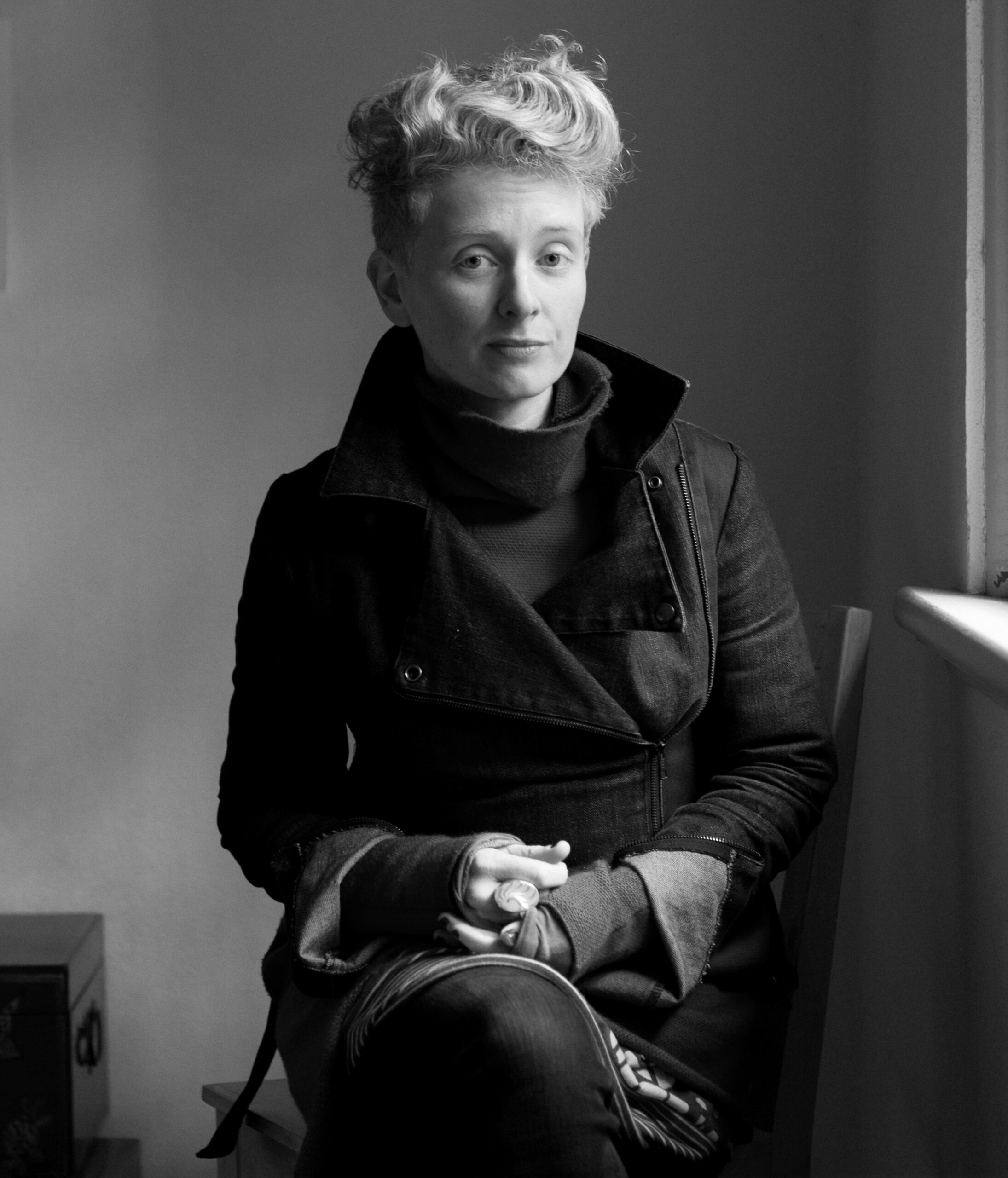
Hayley Singer
Hayley Singer writes essays about literature and ecologies, queer embodiment and activism, multispecies in/justices and on reading and writing as worlds end and begin again. Her writing has been published in Sydney Review of Books, The Lifted Brow, The Monthly, Cordite Poetry Review, and Writing from Below. She teaches creative writing at the University of Melbourne. This is her first book.
Further Reading
Reviews
“Singer writes with a magnificent intensity, moving between different registers in order to bear witness to the pain and suffering of the slaughterhouse.” Stephanie King, Readings
“Abandon Every Hope takes the form of a thanatography – an attempt to write death – which Hayley Singer describes as having a “nearness to biography.” Fiona Wright, The Saturday Paper
“A quietly ambitious book about suffering.” Ben Brooker, Australian Book Review
“Singer’s skill likes in controlling the level of discomfort in the essays to the point where you feel it as a reader but don’t put the book down for a breath of fresh air or a long stare out the window, reflecting on your own part in all this.” Jasper Lindell, The Canberra Times
Explore the latest from Stella
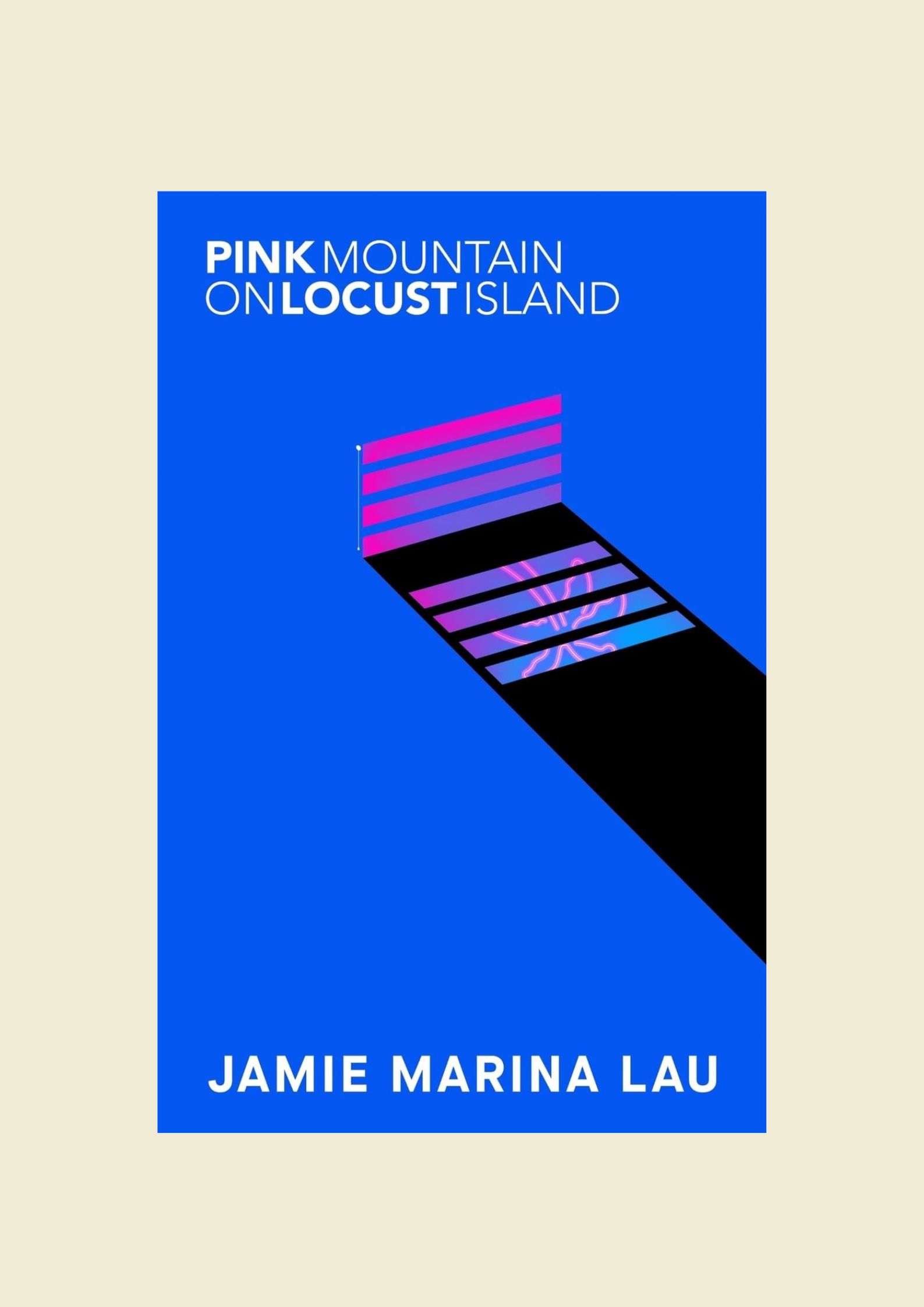
This month Stella celebrates Pink Mountain on Locust Island, shortlisted for the 2019 Stella Prize. We spoke with Jamie Marina Lau to …
This month Stella celebrates Abandon Every Hope: Essays for the Dead, shortlisted for the 2024 Stella Prize. We sat down with Hayley …
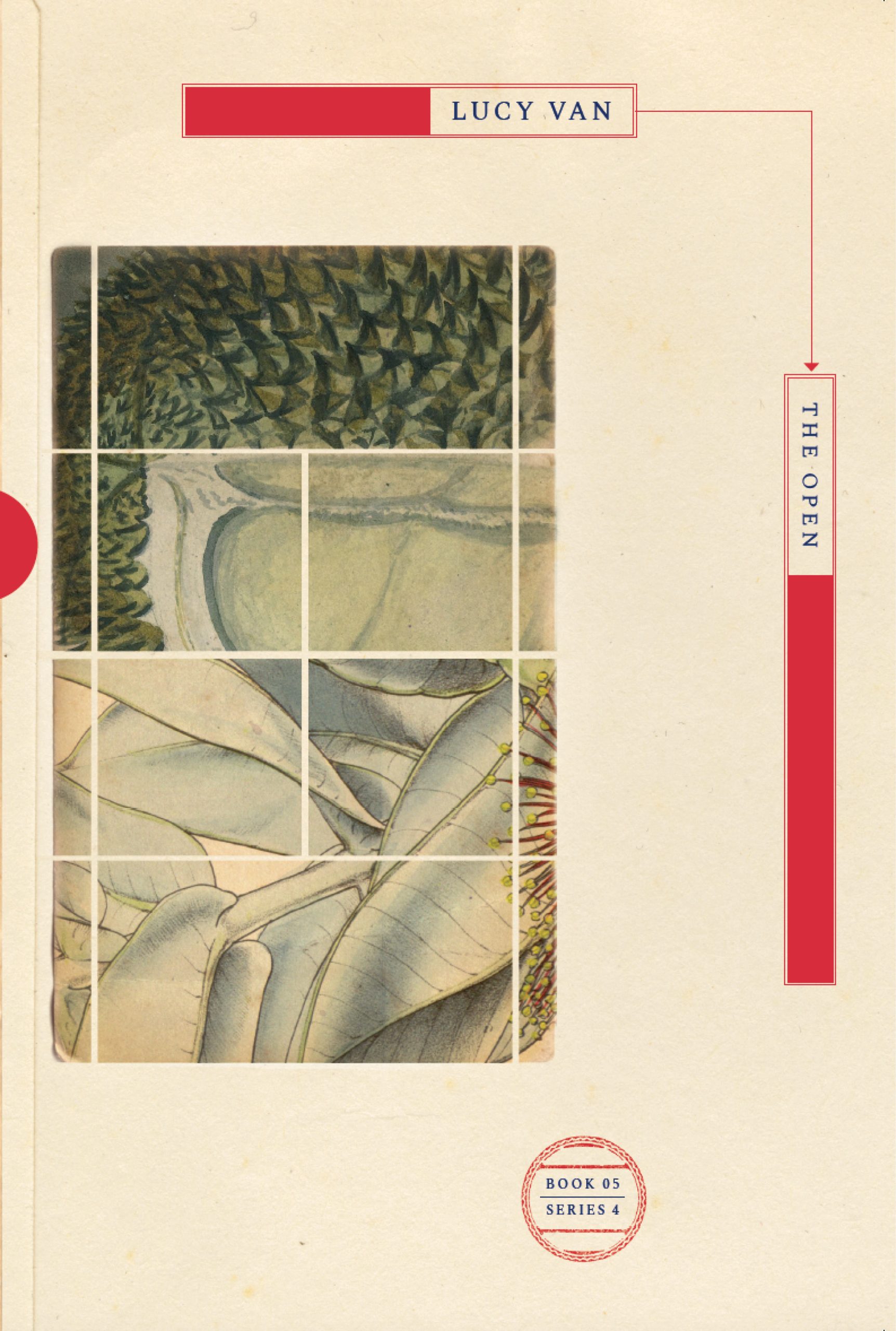
This month Stella celebrates The Open, longlisted for the 2022 Stella Prize. We sat down with Lucy Van to discuss the role …
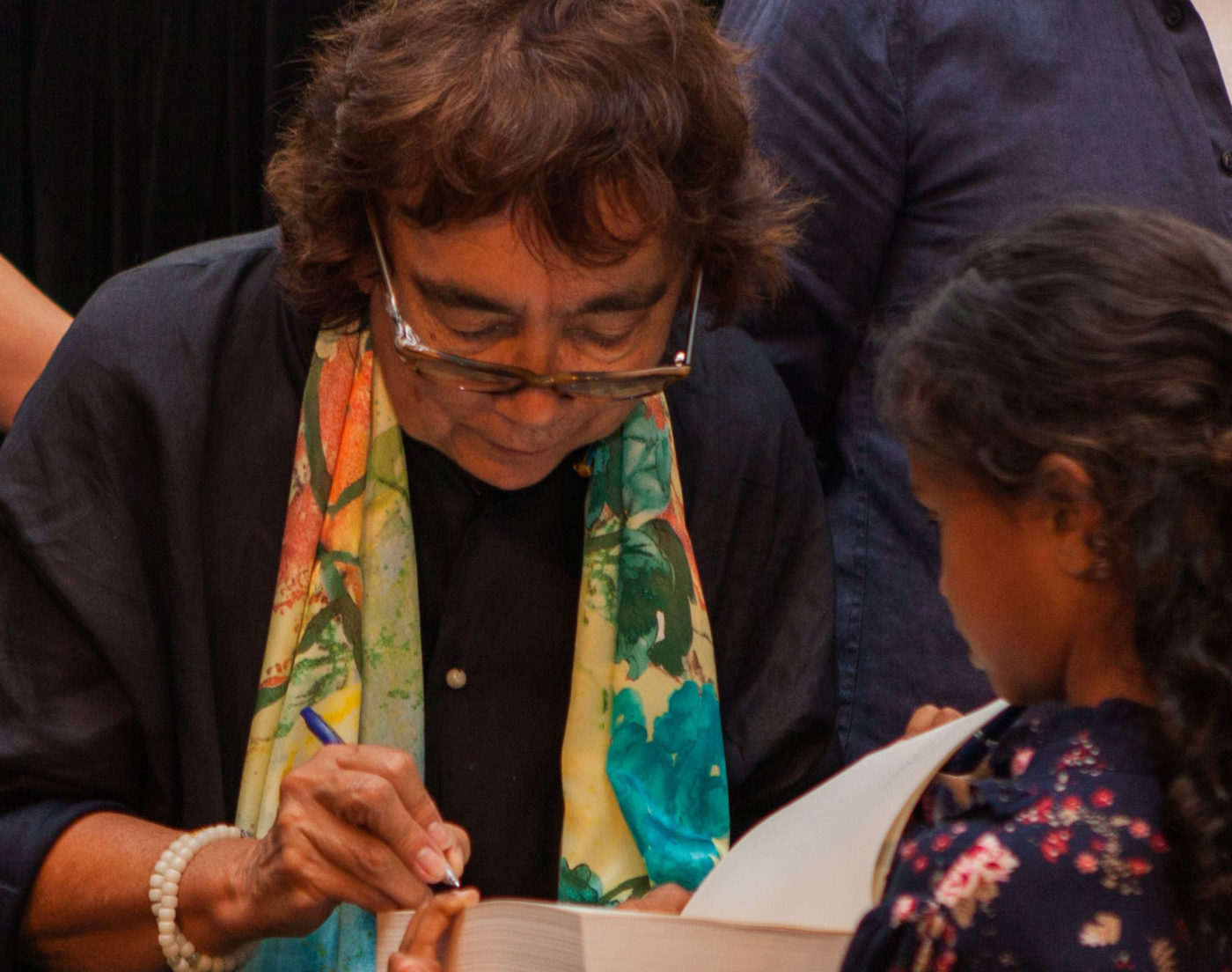
Help change the story
As a not-for-profit organisation with ambitious goals, Stella relies on the generous support of donors to help fund our work.
Every donation is important to us and allows Stella to continue its role as the leading voice for gender equality and cultural change in Australian literature.
Stella is a not-for-profit organisation with DGR status. All donations of $2 or more are tax-deductible.
SUBSCRIBE
Join our mailing list to stay up-to-date on Stella news, events and opportunities
Stella is grateful to the ongoing generosity of our supporters:
CONTACT STELLA
The Stella Prize Inc
info@stella.org.au
ARBN: 657 317 283
Stella acknowledges the Traditional Owners of the land throughout Australia and recognises their continuing connection to land, waters, community, and culture.
We pay our respect to Elders past and present and, through them, to all Aboriginal and Torres Strait Islander people.
Website design canyonbrand.com