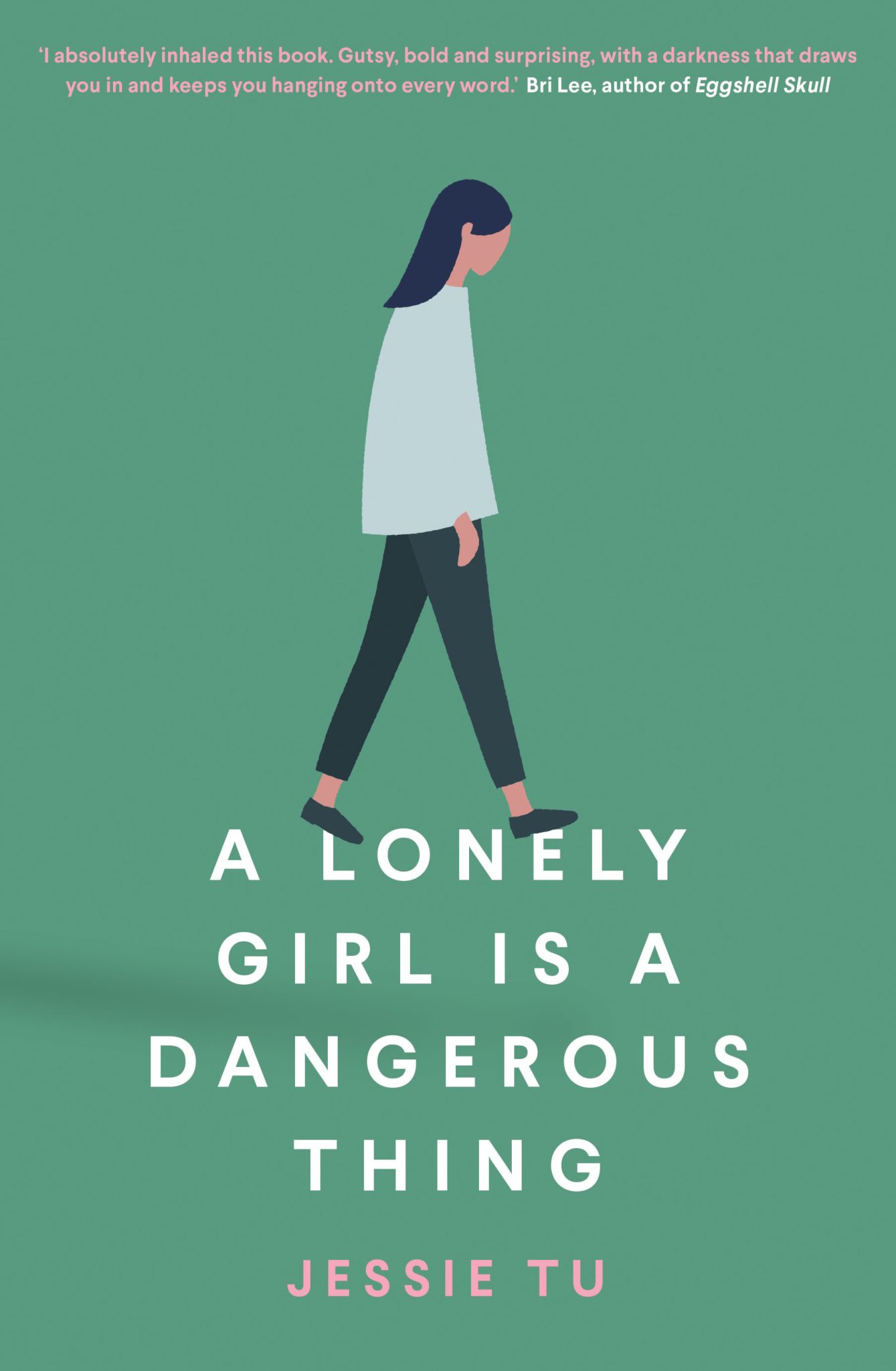
This month Stella celebrates A Lonely Girl is a Dangerous Thing, longlisted for the 2021 Stella Prize.

We spoke with Jessie Tu about writing ambitious women characters, and confronting loneliness and humanity.

What was your initial reaction when you found out you were longlisted for the 2021 Stella Prize?

Very chuffed! It’s thrilling for a book to be noticed, so I was very flattered!

When you sat down to write this book, did you have an outline of what you wanted to include or did you let the story move you?

Absolutely the latter. I don’t plan out my novels. They begin on their own, maybe a scene or idea, and then I just write and see where the story takes me. I trust that the story will know where it wants to go.

You specifically talk about wanting to explore female desire from an Asian woman’s perspective. Was there a specific moment or image you wanted to capture? 

It was uncomplicated. I wanted to write a character whose desires and ambitions become the death of her. I like reading about ruthlessly ambitious women and I suppose I was yearning to see one who looked like me.

About the book

Jena is a driven, obsessive character. What are you currently obsessed with?

The Palazzo della Civiltà Italiana in the EUR district of Rome. I pass it on the bus on my way to the National Library of Rome and each time I see it, it looks different. It’s so beautiful.

What are you currently reading? 

Brian, by Jeremy Cooper – a cozy book about an introverted film buff going to see films – it’s really a book about the love of cinema, it’s wonderful; and I’m rereading Anthony Doerr’s Four Seasons in Rome, as I’m in Rome and finding it comforting to retrace the areas he spent with his young family when he was here about 20 years ago.

 Judges report

A Lonely Girl is a Dangerous Thing is fresh, contemporary and bold – and has been crafted with verve by its first-time author, Jessie Tu. The novel delves into the life of an Australian artist, but not the white, male character who often frequents literature. Nor does it portray the hedonistic life of a visual artist. Instead, this novel centres on a violinist – a young, Australian-born Chinese woman. Once a child prodigy, Jena is trying for a second chance at success. She is also a woman driven by her sexual needs and a skewed sense of her own worth. 

Power dynamics, along with friendships and rivalries – both musical and personal – spike the narrative. Most of the story takes place in Sydney and New York, while Shanghai also gets a nod. It’s a heady mix: the descriptions of her musical practice and the pressures of performing are illuminating, while her risk-taking and intimate relationships are writ uncomfortable, but all too believable.

This book confronts topics of relationships, friendships, and sexuality head on. What is something that you hope readers will take away?  

Feeling lonely is not a reflection on your worthiness as a human being. In fact, it is the normal, human thing to feel. Any shame one feels from feeling it comes from society.

“A Lonely Girl is a Dangerous Thing is fresh, contemporary and bold – and has been crafted with verve by its first-time author, Jessie Tu.”

2021 Stella Prize judges

You have experimented with a few different careers; from a classical violinist to a teacher, to studying law. Do you think those career paths helped influence the way you write and what you write? 

I hope so. I used to think that I wasted my twenties, jumping around trying to find a place to land, but of course in hindsight, I can see now that everything I’ve done has contributed to who I am today, the sorts of things I care about, and therefore, spend time wanting to write about. I have come to a place in my life where I’ve firmly convinced myself that everything has meaning, that everything happens for a reason – and that you make up that reason as you go.

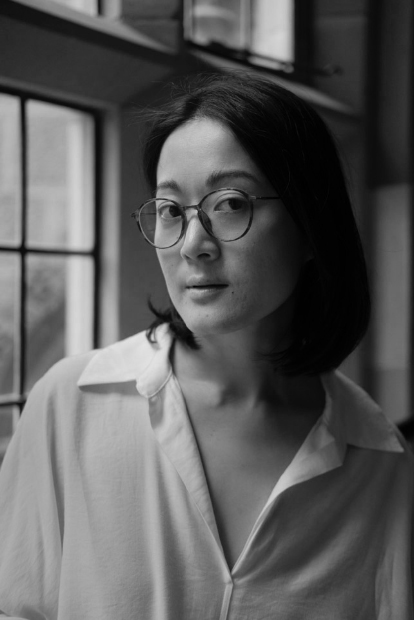
About the author

Jessie Tu

Further Reading

Explore the latest from Stella

This month Stella celebrates A Lonely Girl is a Dangerous Thing, longlisted for the 2021 Stella Prize. We spoke with Jessie Tu …
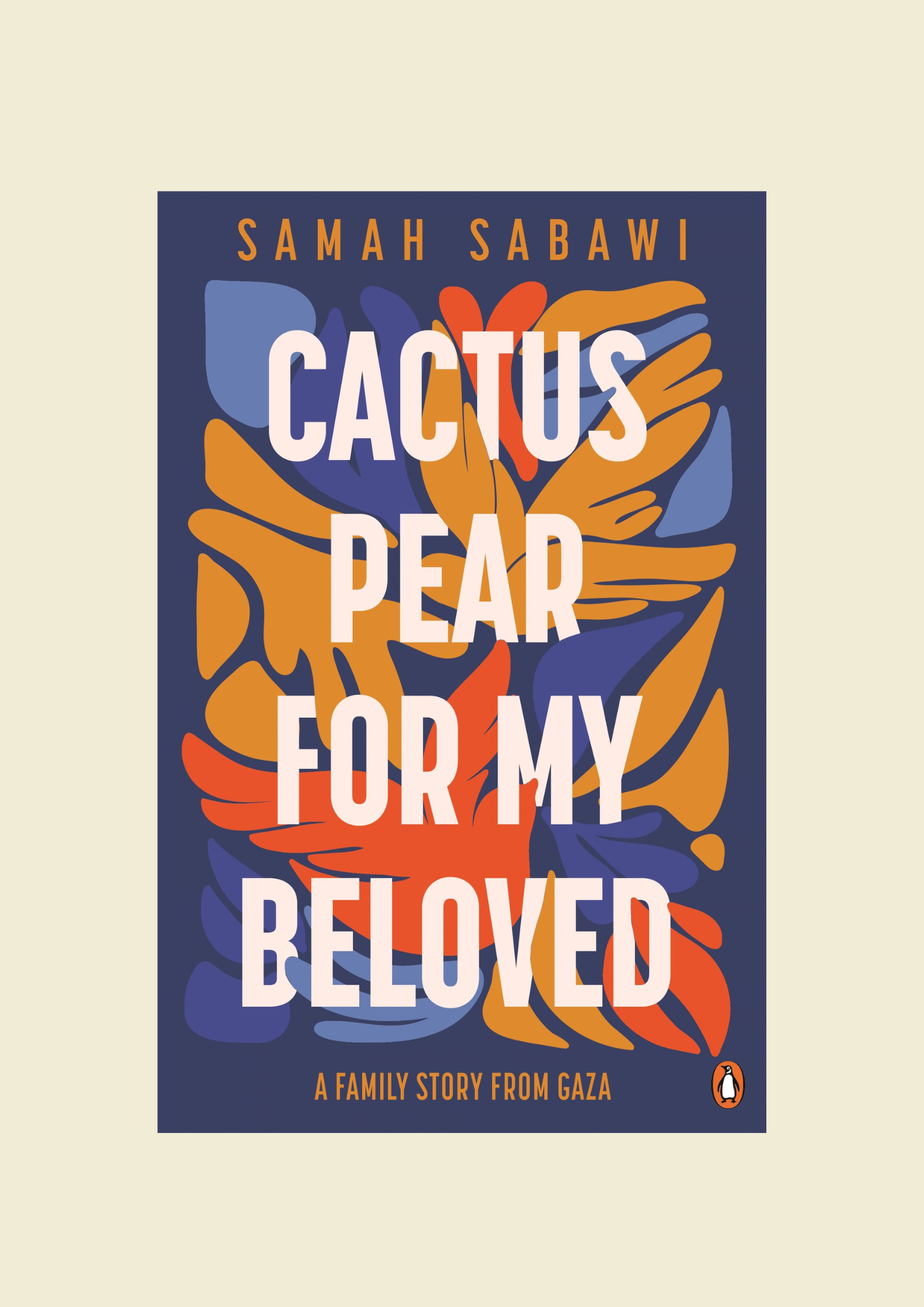
This month Stella celebrates Cactus Pear For My Beloved, shortlisted for the 2025 Stella Prize. We spoke with Samah Sabawi about reimagining …
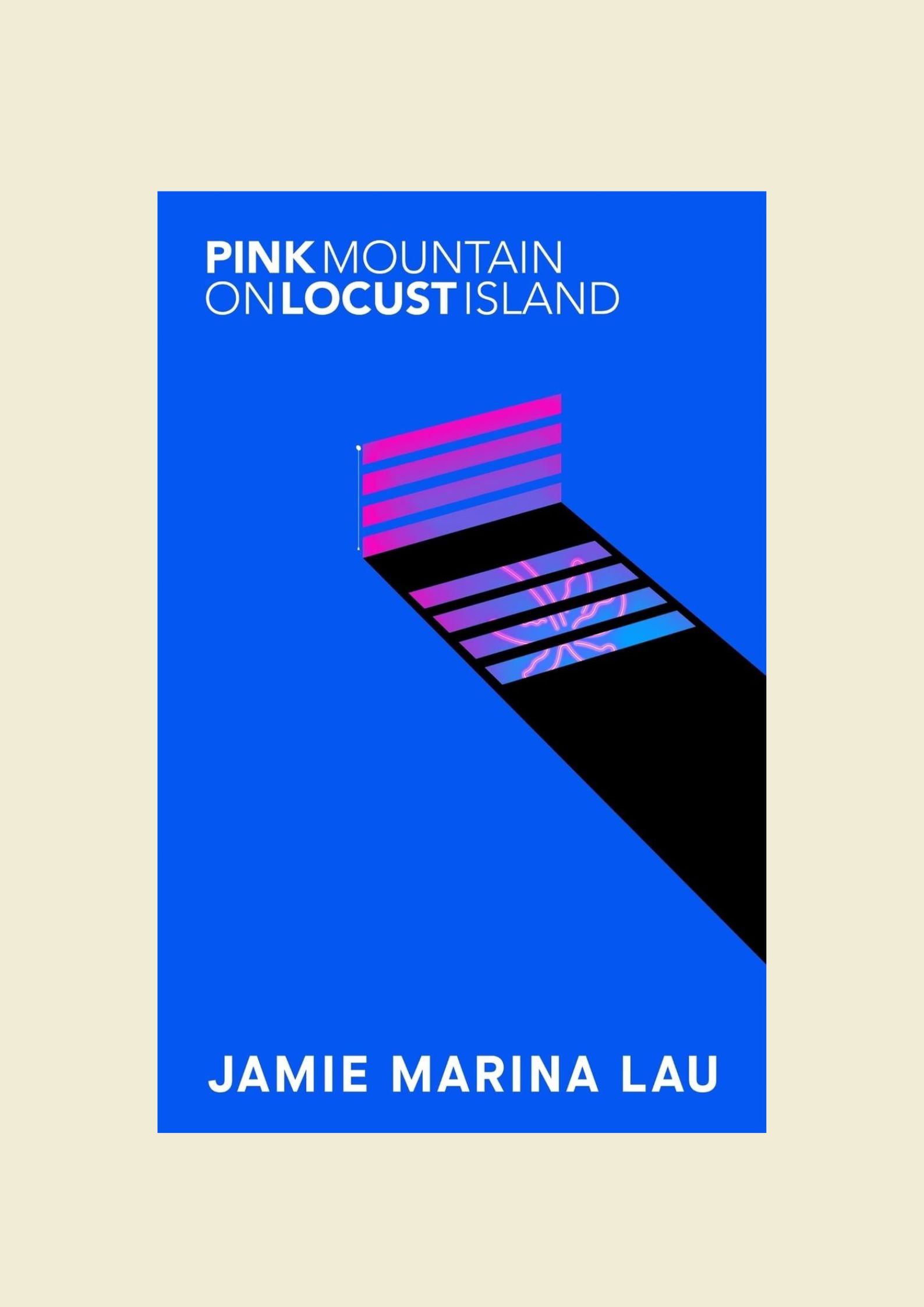
This month Stella celebrates Pink Mountain on Locust Island, shortlisted for the 2019 Stella Prize. We spoke with Jamie Marina Lau to …
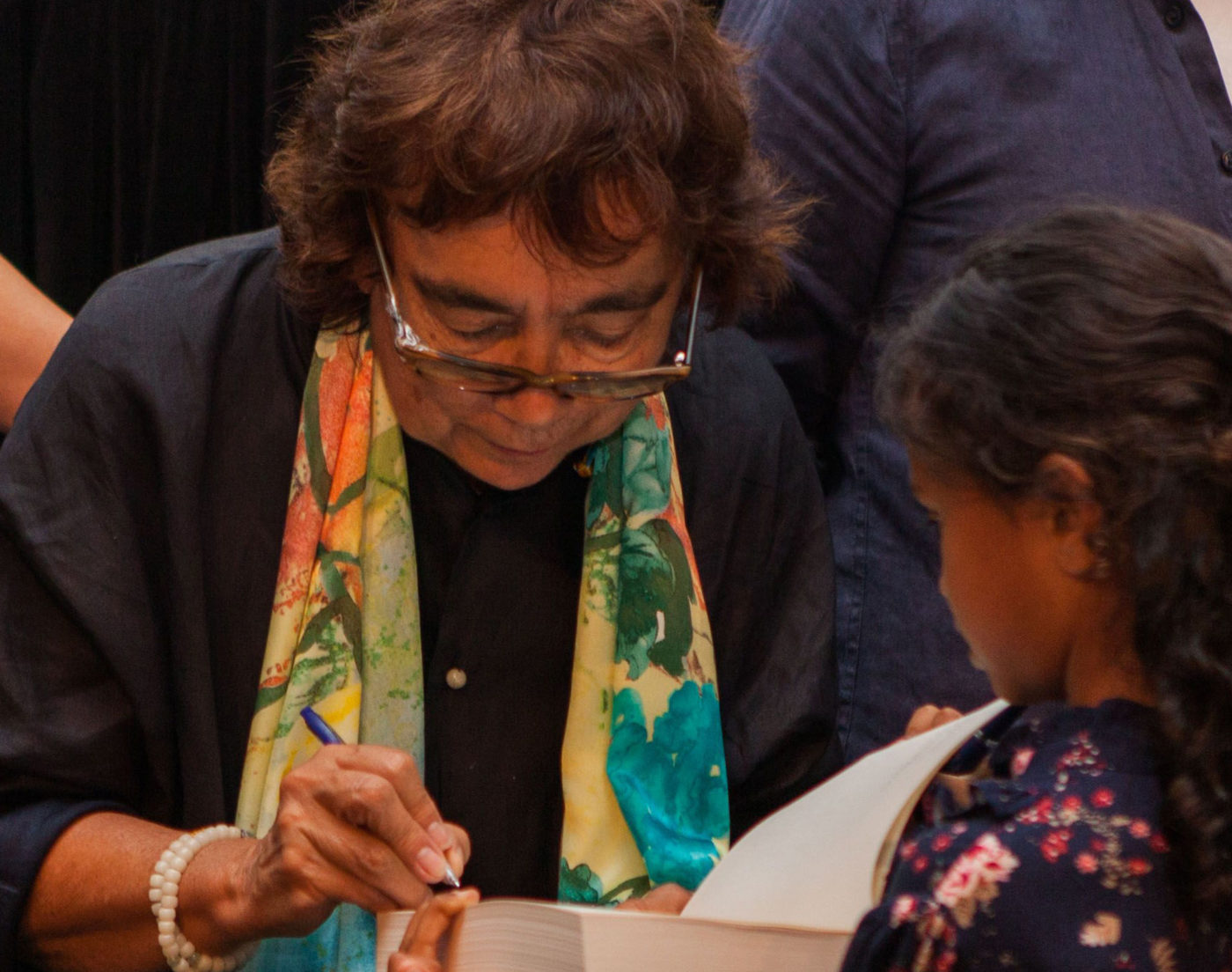

Help change the story

As a not-for-profit organisation with ambitious goals, Stella relies on the generous support of donors to help fund our work.

Every donation is important to us and allows Stella to continue its role as the leading voice for gender equality and cultural change in Australian literature.

Stella is a not-for-profit organisation with DGR status. All donations of $2 or more are tax-deductible.