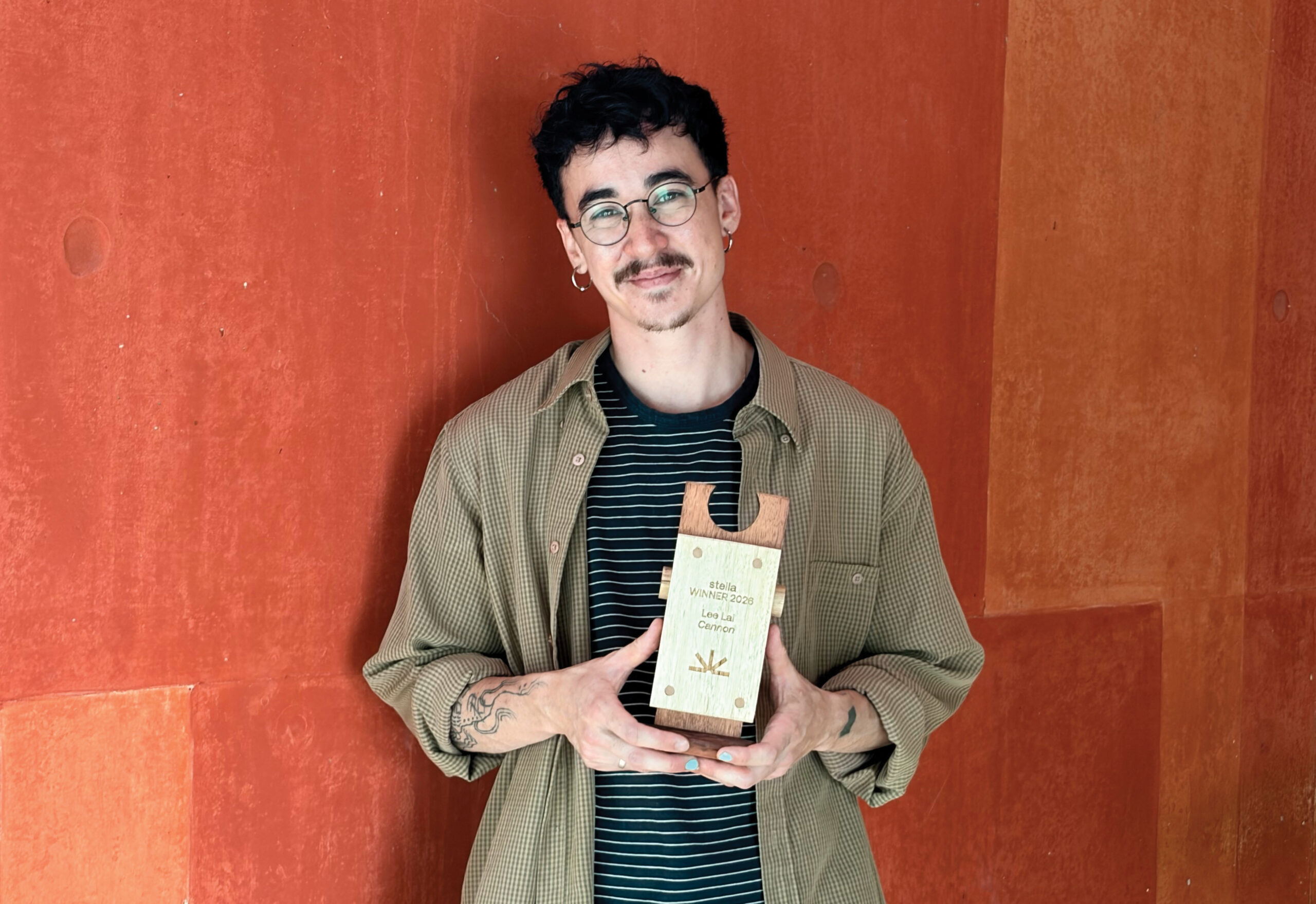
My business is more with pictures, rather than words, and so I’m nervous to give this speech, especially in a room with some of Australia’s most wonderful writers. But I’ll do my best.
I’m honored tonight to be a visitor on the lands of the Jagera and Turrbal people, and I pay my respects to elders past and present.
First Nations people are the original storytellers, all over the world. In the places where I’ve developed my own storytelling practice, I give thanks to the people of the Kulin nation, and the kanien’kehá:ka of tio’tia:ke. Always was, always will be.
The years of working on this book have been exceptional years on a global scale. I’ve asked myself constantly over this period, “why am I making art? And how can I actually contribute to my community?”. And the conclusion I repeatedly came to was that the art was not of consequence.
I began turning Cannon from a script into pencilled drawings in 2020, right as the pandemic hit. I was drawing these pages to daily news stories of suffering and death on an unthinkable scale. It was also a time of watching social inequalities rising even more overtly to the surface as it became clear who was afforded safety from the virus and who remained unprotected and unprioritized. That year, in the states and in Canada, George Floyd, Breonna Taylor, Rayshard Brooks, Manuel Ellis, Andre Hill, Sheffield Matthews and many more were gunned down by policemen in broad daylight, and the world rose up in grief and protest.
And at the same time as these horrors were broadcast, I was seeing a swell in solidarity, humanity and cooperation. And so I felt acutely that my value wasn’t as an artist, but as a neighbour. The real work wasn’t art, it was that there were groceries and nappies to deliver, PPE to disperse, protests to attend and resources to distribute.
And then in 2023, while I was still working on this book, Israel unleashed a new level of genocidal punishment upon the people of Gaza and the West Bank. We watched a bare faced, proudly declared, multi-billion dollar colonial scheme roll out, reminiscent of the Nakba in 1948, but far greater and deadlier in scale and livestreamed directly onto our phones.
In those first few months, the Palestinian-American journalist Mariam Barghouti wrote, “fuck your sad poetry. Go and occupy a train station.”
I felt that clarity again, that the real valuable work I could contribute was marching and screaming and mobilizing in practical ways against colonial terror.
And then today, the same social issues that peaked during COVID have aggravated further, as governments all over the globe swing even more to the right. And Israel continues to flout international law, extending its occupation into Lebanon and Iran. And I notice this question remaining in my mind: “why am I making art? And how can I actually contribute to my community?”
Graphic novels take a lot of time. It’s easy for me to feel as though I’m in a bubble, drawing little people in boxes and thinking the work I’m making is of no consequence to anyone.
But then the thing about publishing, and certainly the thing about accepting the honor of a prize like the Stella, is that I have to consider the ways in which my work might actually be of some consequence to somebody. And I have to consider the possibility that art and practical action might not be an either or. That there may be more ways to let one into the other.
This book is not about the concerns that plague so much of my attention these days: land theft, climate crisis, corporate greed and genocide. It’s a story about small-scale human follies, and the excruciating process of learning and growing through them.
It’s also a book about love, and about rage. And those are two emotions that have fuelled both my efforts as an artist and as an organizer in the past many years.
And if I must think about the fact that this book is landing for anybody else, then my great hope is that it acts as a catharsis and an encouragement to experience real love, or real anger, and that one might use that for something worthwhile.
It’s a complicated but great honour to accept an award like this, in these genuinely terrible times. And it’s a complicated but great honour to be the first trans person on this stage, in a moment when anti-trans rhetoric has become such a major fascist playing card.
Something I’ve consistently noticed in social spaces committed to justice— whether that be climate groups, abolitionist groups, mutual aid groups, anti-war groups, or grassroots arts organizations, is that they’re dominated by women, queer people and trans people, who care so much.
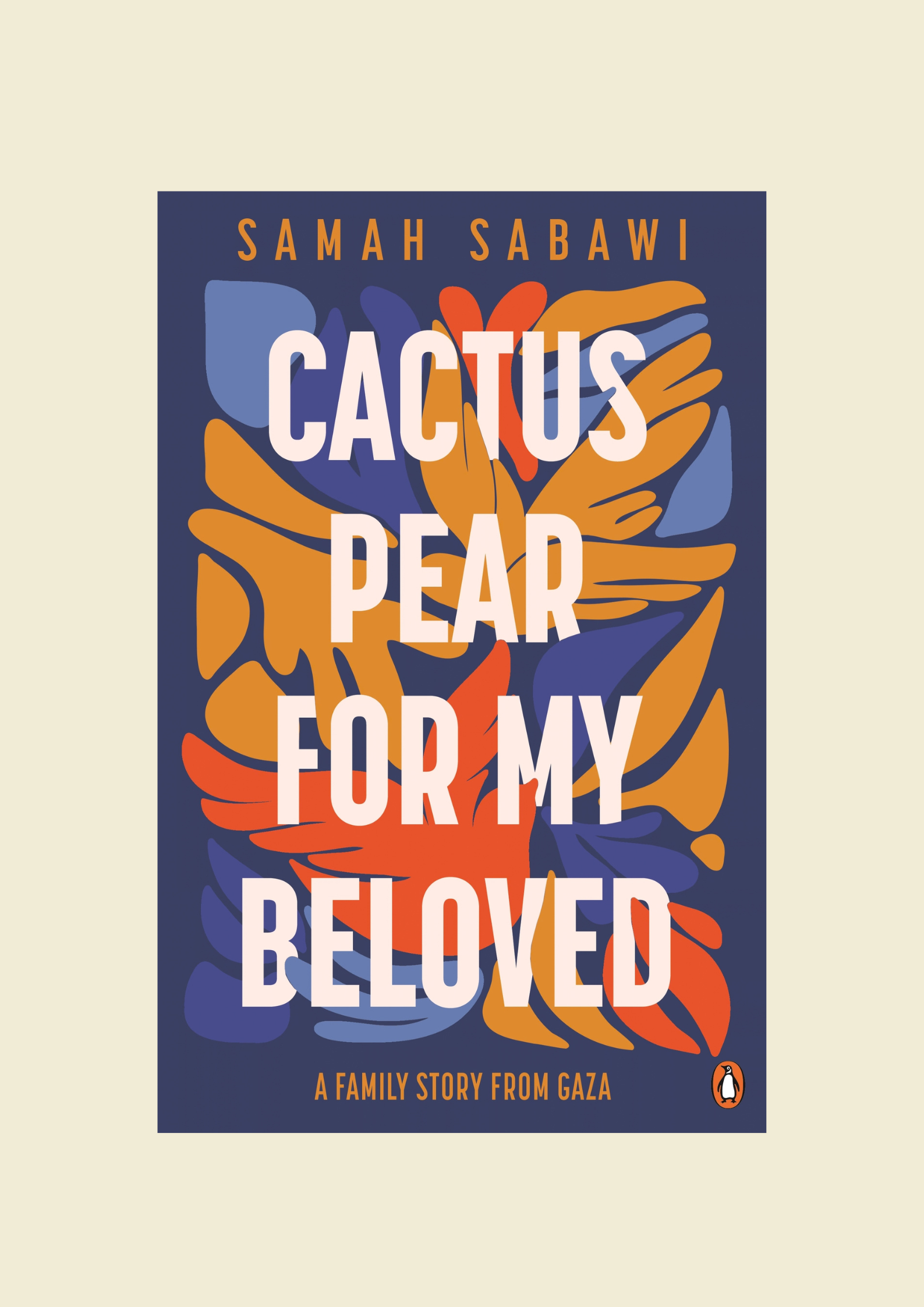
I notice a similar pattern amongst the Stella authors that are long and shortlisted each year, and I’m so grateful to the Stella team for nurturing such a special network of writers: writers who consistently take risks, put their careers on the line to speak truth to power, use their skills to nurture their communities. There’s too many to name tonight but I’ll try for a few: Evelyn (Araluen), Randa (Abdel-Fattah), Alexis (Wright), Michelle (de Kretser), Chelsea (Watego), Cher (Tan), Samah (Sabawi), Melissa (Lucashenko), and many more. I have a long way to go in learning how to bring community work and creative work together into the same place. And I look to these authors for inspiration.
My heartfelt thanks to the Stella team for your care and enthusiasm in this amazing and slightly terrifying experience: Fiona, Stacy, Amie, Viv and Emily.
I’d like to mention some of the people in my immediate life who’ve been a consistent source of support and inspiration. Writing demands so much emotional energy, and involves the distilling of so many ideas, and I wouldn’t be able to do that without having endless conversations with trusted people, so that those thoughts can get grounded into something tangible. Notably, when I wrote this list, I realized it was entirely women, queers and trans people, with the exception of my wonderful dad, who’s the token straight man in my life.
Thank you to my parents, Janet and Charles, my brilliant sister Cesca, my precious friends Eli, Wai-Yant, Tariq, Sorraya, Tommi, Betty, Eve, Seth, Niki, Julia, Ale, Bex, Shae, and more.
I’m particularly indebted to my partner Samia who read so many versions of this book, and had so many conversations with me about it. I’ve learned so much from her.
Thank you to Nick, Kate and Ivor at Giramondo. It means so much to me that you’d take the risk on this book of pictures.
Thank you to the Stella judges: Sophie, Ben, Ellen, Jaclyn, and Gillian, for the attention and deep thought you devoted to all the works this year.
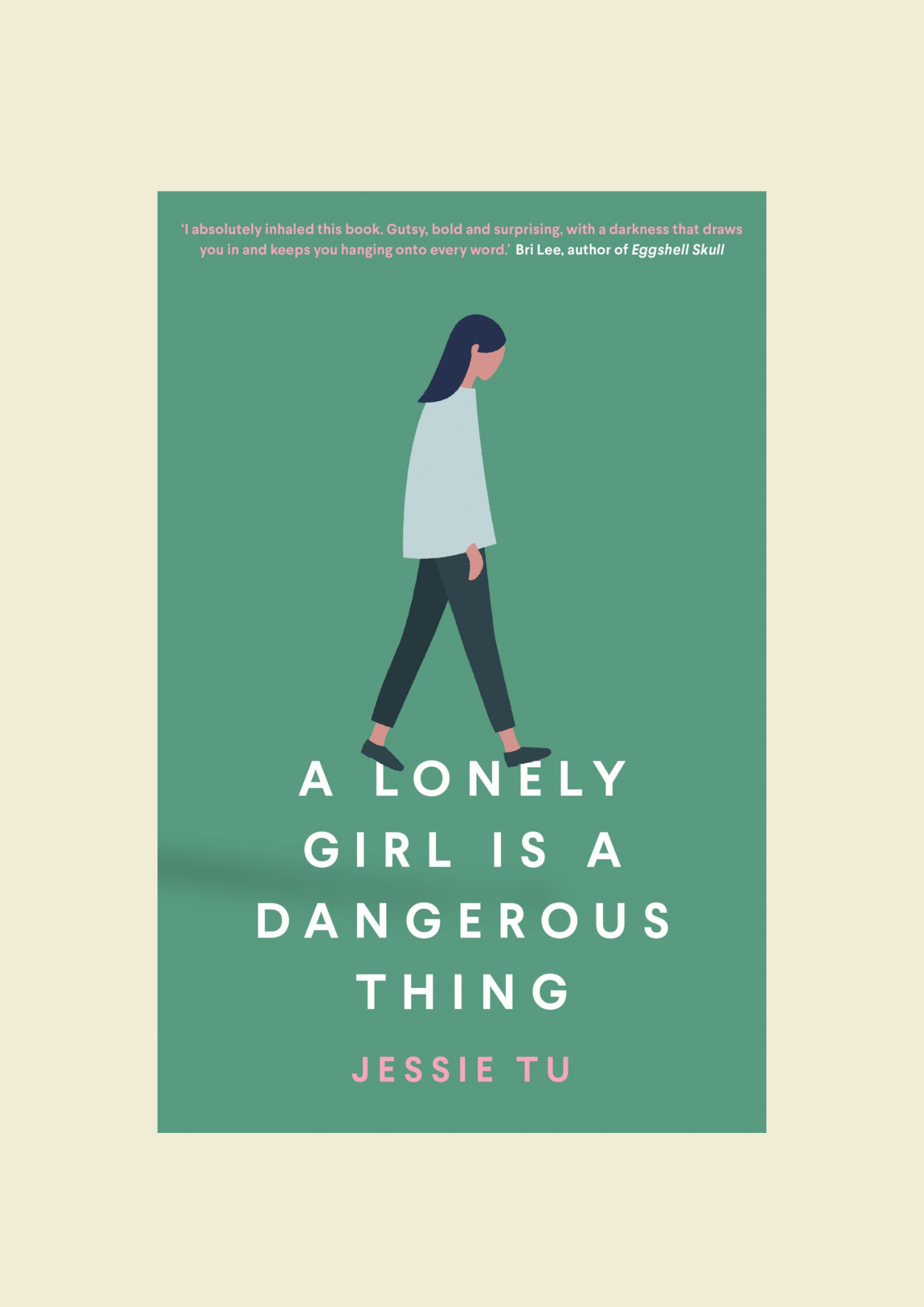
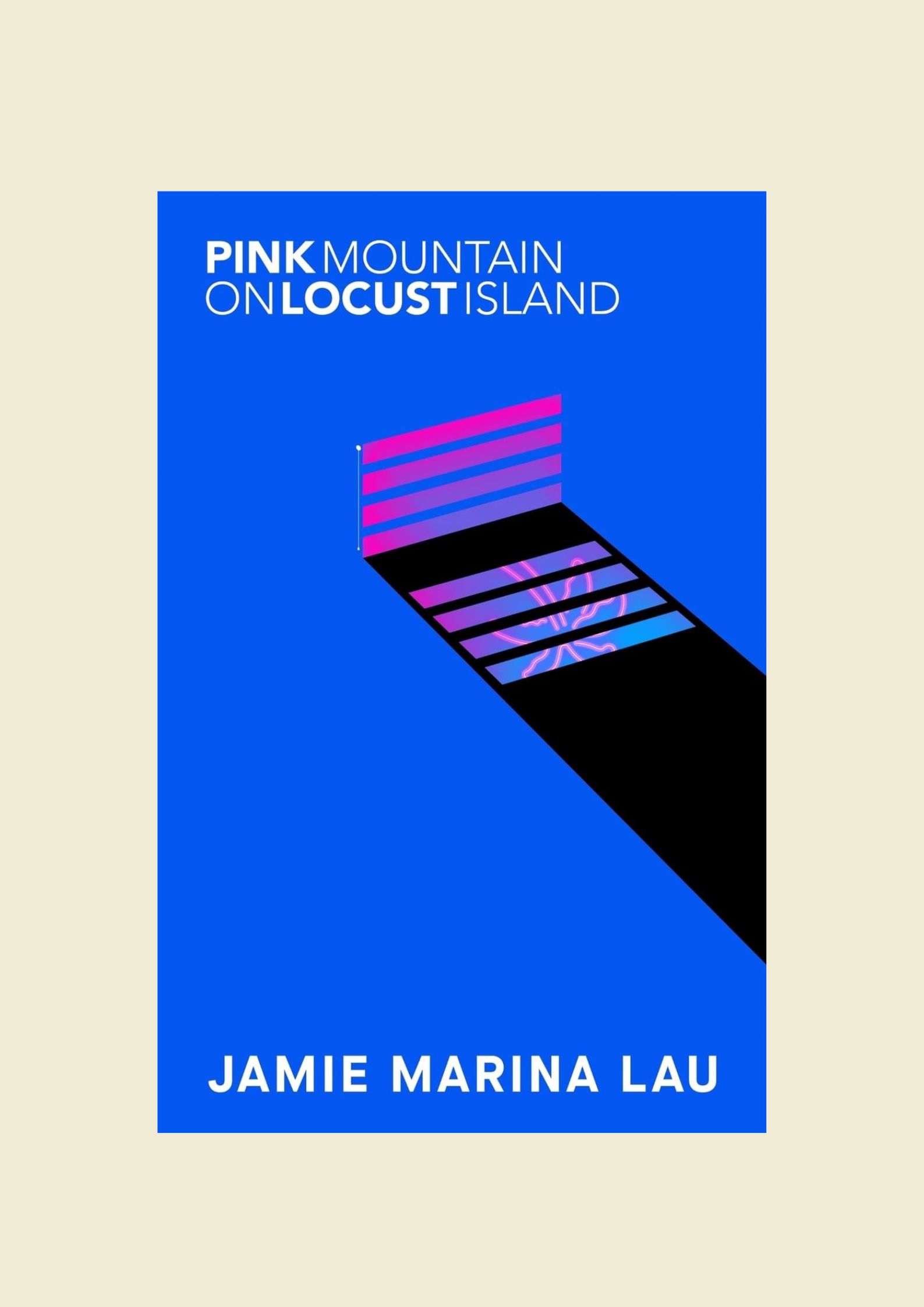
To the other shortlisters: Geraldine, Evelyn, Miranda, Marika and Tasma, I’m beyond honoured to share this list and this night with you. Thank you for your beautiful work.