
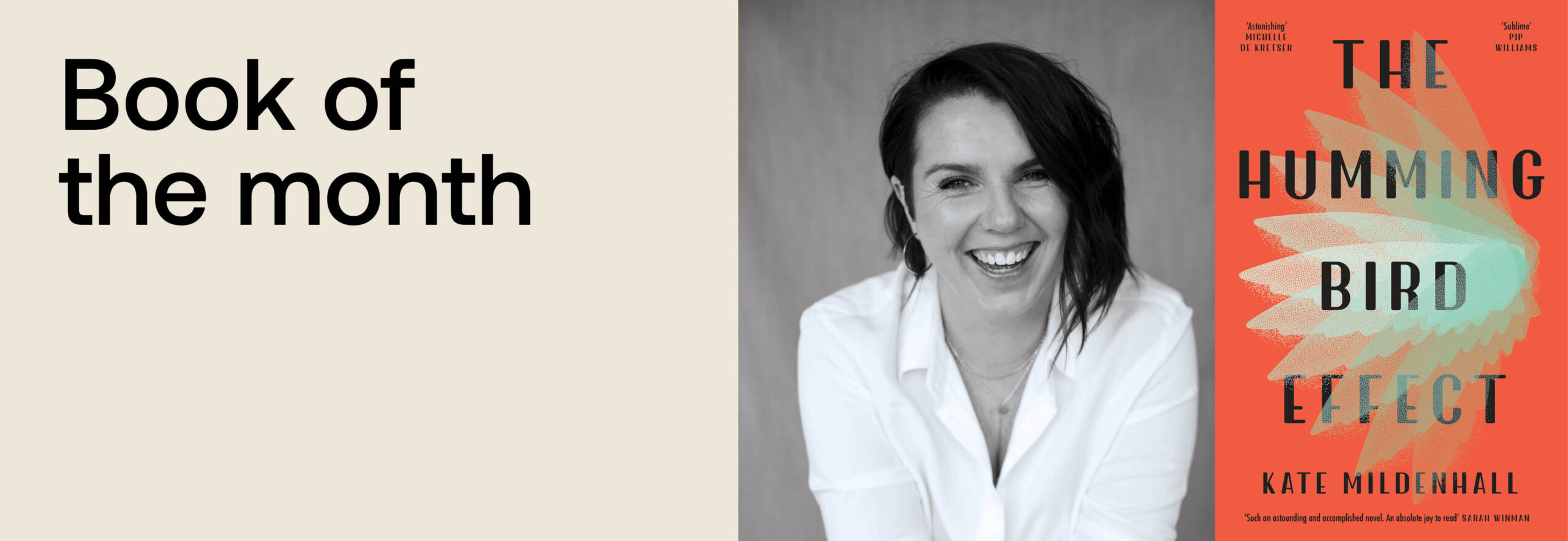
This month Stella celebrates The Hummingbird Effect, longlisted for the 2024 Stella Prize.
We sat down with Kate to discuss writing historical novels, piecing together oral, living and past histories.
What are you reading at the moment?
A random assortment of current reads of my towering TBR pile: Once We Were Wildlife – the new short story collection by Inga Simpson. I will read anything Simpson writes and am a massive fan of how clear-eyed she is on writing the climate crisis, landscapes and speculative imagining.
Learned Behaviours, the second novel from Zeynab Gamieldien is a murder mystery that interrogates privilege and class in its Western Sydney setting. Really enjoying this one ahead of a festival panel with Gamieldien and also look forward to going back to read her debut The Scope of Permissibility.
Research for my next novel is taking me to strange places including classics such as The Word for World is Forest by Ursula K. Le Guin and The Day of the Triffids by John Wyndam.
Do you remember how you felt when you found out you’d been longlisted for the 2024 Stella Prize?
I was folding washing and I was so ridiculously thrilled.
I’d dreamed of being on a Stella List since the prize began a few years before my first novel was published. To have my work recognised among such incredible writers – that year and in previous years – was a true career highlight.
The novel moves across multiple timelines, from historical periods into an imagined future. What was the benefit of telling these stories across such a wide period of time?
The Hummingbird Effect actually started out life as a straight historical novel – the story of Peggy and Lil in 1933 Footscray. But at a point when the novel wasn’t quite working and the world was still deep in lockdowns and the chaos of Covid, I realised that the idea I wanted to explore about unintended consequences, automation, labour, and the climate crisis actually needed a bigger canvas. I exploded what I had and slowly, slowly put it back together again – this time over a two hundred and fifty year period. The act of piecing the puzzle of each of the time periods together over the novel allowed for resonances between different characters, timeframes and ideas and I’m so grateful now that I didn’t just stop with my first iteration of the novel.
2024 Stella Prize Judges
Footscray historically has been a working class and industrial area. How did you want to use the suburb as a setting to explore labour, specifically women’s labour?
The seed of the novel came from a story my uncle – long time resident of Footscray – told me about the Angliss Meatworks in Footscray catching fire one night, long after they had been decommissioned. My wondering about that fire took me down a rabbit hole of research into the meatworks and its workforce, many of whom had lived in the surrounding streets in cottages Angliss had built. I read and listened to oral histories from Angliss workers and explored the treasure troves of historical archives at The Living Museum of the West and Ercildune, particularly looking for information about the Slaughterman’s Strike of 1933 when the union attempted to stop the introduction of the chain system of slaughtering to Australian abattoirs. I was interested in the roles women played within the Angliss workforce – in offices, sewing rooms and supporting the picket line – but also the additional labour-lode that women have always additionally carried; as carers, lovers, friends and neighbours.
Judges Report
A bold novel that asks big questions about how we live and die together.
The Hummingbird Effect is speculative fiction at its finest: inventive, mind-expanding and wonderfully ambitious. Via a series of interlinked plotlines that move from the Great Depression of the 1930s to the ravaged landscapes of the 22nd century, Kate Mildenhall tackles the headline issues of our age: labour rights, consumer capitalism, artificial intelligence, fertility and IVF, family violence, lockdown loneliness, aged care and family violence.
A natural storyteller who has come into her power, Mildenhall is unafraid to take risks with narrative and form. The result is an energising book that hums with creativity and gestures towards new possibilities for Australian fiction. This is a novel that moves with ease between small canvas and big picture. Never didactic and often thrilling, The Hummingbird Effect deftly reveals the entanglements of past, present and future.
What inspired the women in this novel? Although fiction, were there any women you knew, or historical figures, that inspire how you write women characters?
One key inspiration was my maternal grandmother – to whom this novel is dedicated. She grew up in a household of women in Northcote with her two older sisters, her mother and aunt, after her father was killed in a tram accident on Ruckers Hill when she was only eighteen months old.
This strong household of women has always been part of my grandmother’s story and I spent many hours talking with Grandma over cups of tea in her garden about growing up and life in the 30s while I was writing the book. We were grateful to be able to nurse my grandmother at home as she neared the end of her life during Covid lockdowns and the character of Hilda in the novel, confined to a locked down Aged Care Residence, grew out of this experience.
The AI chatbot – the Hummingbird Project – that features in the novel critically engages with the larger questions of the narrative. What guided you to use the perspective of an AI chatbot to discuss relationships with technology, process, and the nature of humanity?
The AI conversation we are currently having was not quite so loud or urgent when I was writing this novel but I was keen to explore AI as a technology – like the chain system in slaughterhouses or robots in warehouses – which could ultimately reshape workplaces and the world more broadly.
The chatbot in the novel is tasked with a difficult prompt: to uninvent one human innovation to save the world, and this question was at the centre of lots of my imagining and thinking in the novel.
I’ve been programmed on so many panels discussing the impact, ethics and future of AI since the novel came out and the rapid shifts in the technology over just a few years are mindboggling. I try and pay attention to the news and developments about AI and get behind organisations like ASA who are advocating for better protections for creator rights.
What are you working on at the moment? And tell us about The Hiding Place.
The Hiding Place was my ‘rebound’ novel after working on the epic sprawling puzzle of The Hummingbird Effect! Rather than a two hundred and fifty year span, The Hiding Place takes place over just three days, on a weekend away at a newly purchased bush property, Willow Creek. The new owners and four middle class, inner-city families – old friends who are determined to create an idyllic getaway for themselves and their children.
But on the very first night someone ends up dead… It’s a shift to satire combined with the thriller genre and I had a lot of fun writing it!
I’m currently in the very early stages of my fifth novel and deeply excited about the research for this one which involves, among other things, catching cane toads. It’s fun and gross and I’m very excited about where this one will take me.
About the Book
One of the lucky few with a job during the Depression, Peggy’s just starting out in life. She’s a bagging girl at the Angliss meatworks in Footscray, a place buzzing with life as well as death, where the gun slaughterman Jack has caught her eye – and she his.
How is her life connected to Hilda’s, almost a hundred years later, locked inside during a plague, or La’s, further on again, a singer working shifts in a warehouse as her eggs are frozen and her voice is used by AI bots? Let alone Maz, far removed in time, diving for remnants of a past that must be destroyed? Is it by the river that runs through their stories, eternal yet constantly changing – or by the mysterious Hummingbird Project, and the great question of whether the march of progress can ever be reversed?
About the Author
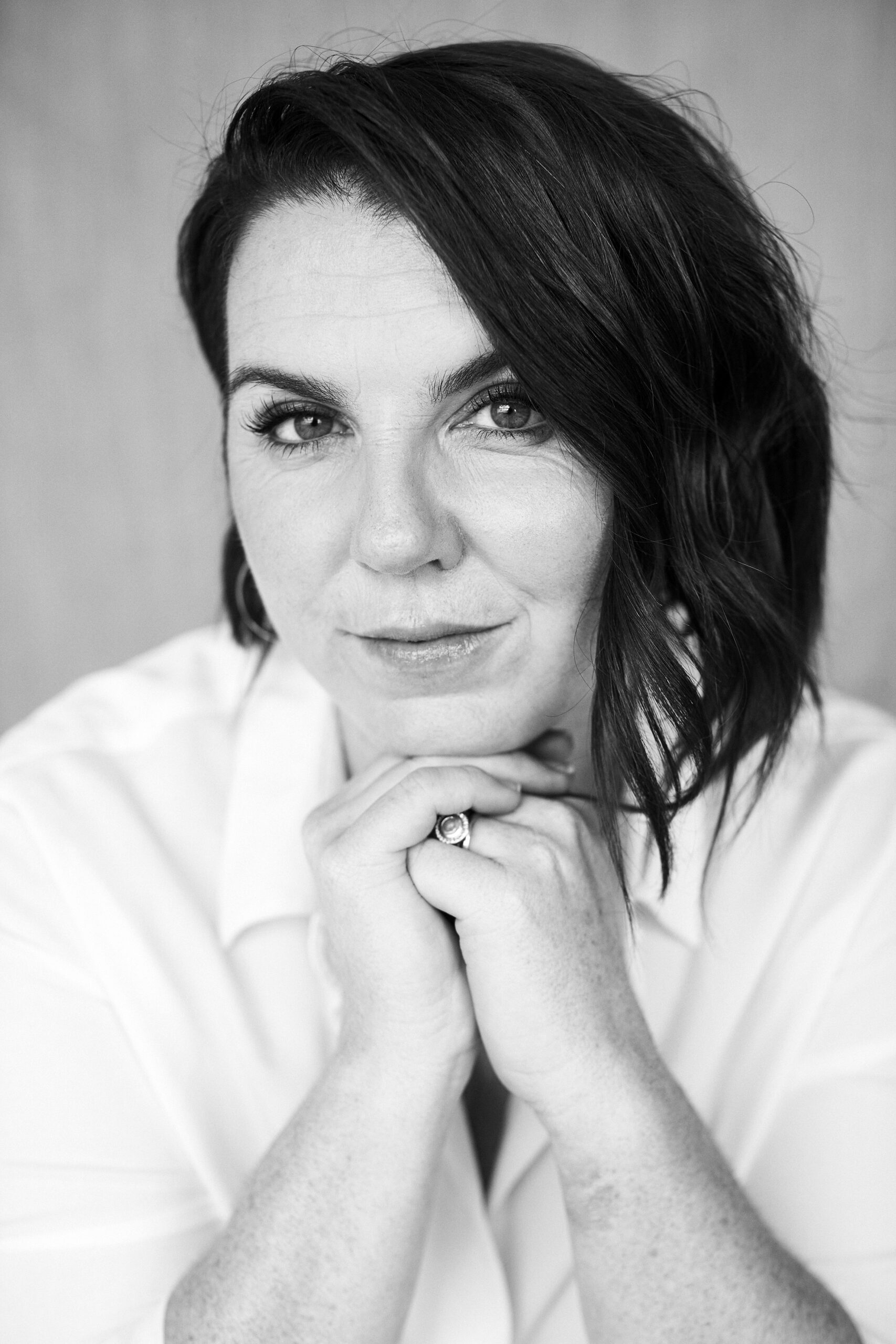
Kate Mildenhall
Kate Mildenhall is the author of four novels – SKYLARKING (2016), THE MOTHER FAULT (2020), THE HUMMINGBIRD EFFECT (2023) and THE HIDING PLACE (2025). THE HUMMINGBIRD EFFECT was longlisted for the 2024 Stella Prize and shortlisted for the 2024 ABIA literary Fiction Book of the year. In 2024 she released her first children’s book TO STIR WITH LOVE illustrated by Jess Racklyeft, shortlisted for the 2025 Indie Book Awards and the 2025 ABIA Children’s Book of the Year and Notable in the CBCA Book Awards for Early Readers. For six years she co-hosted The First Time podcast interviewing hundreds of writers including Tim Winton, Helen Garner, Richard Flanagan, George Saunders & Sarah Winman.
Kate lives on Wurundjeri lands in Hurstbridge with her partner and two children.
Further Reading
Reviews
“Mildenhall’s vision of humanity’s future feels gentler than some of the more bruising speculations across pop culture, although she’s no less critical.” Bec Kavanagh, The Guardian
“The novel is a testament to the strength and struggle of people of marginalised genders existing within a capitalist and patriarchal system across several centuries.” Laura Pettenuzzo, ArtsHub
Links
Read an extract of The Hummingbird Effect in Kill Your Darlings.
Louise Limm interviewed Kate Mildenhall for AEUNews. Read it here.
Explore the latest from Stella
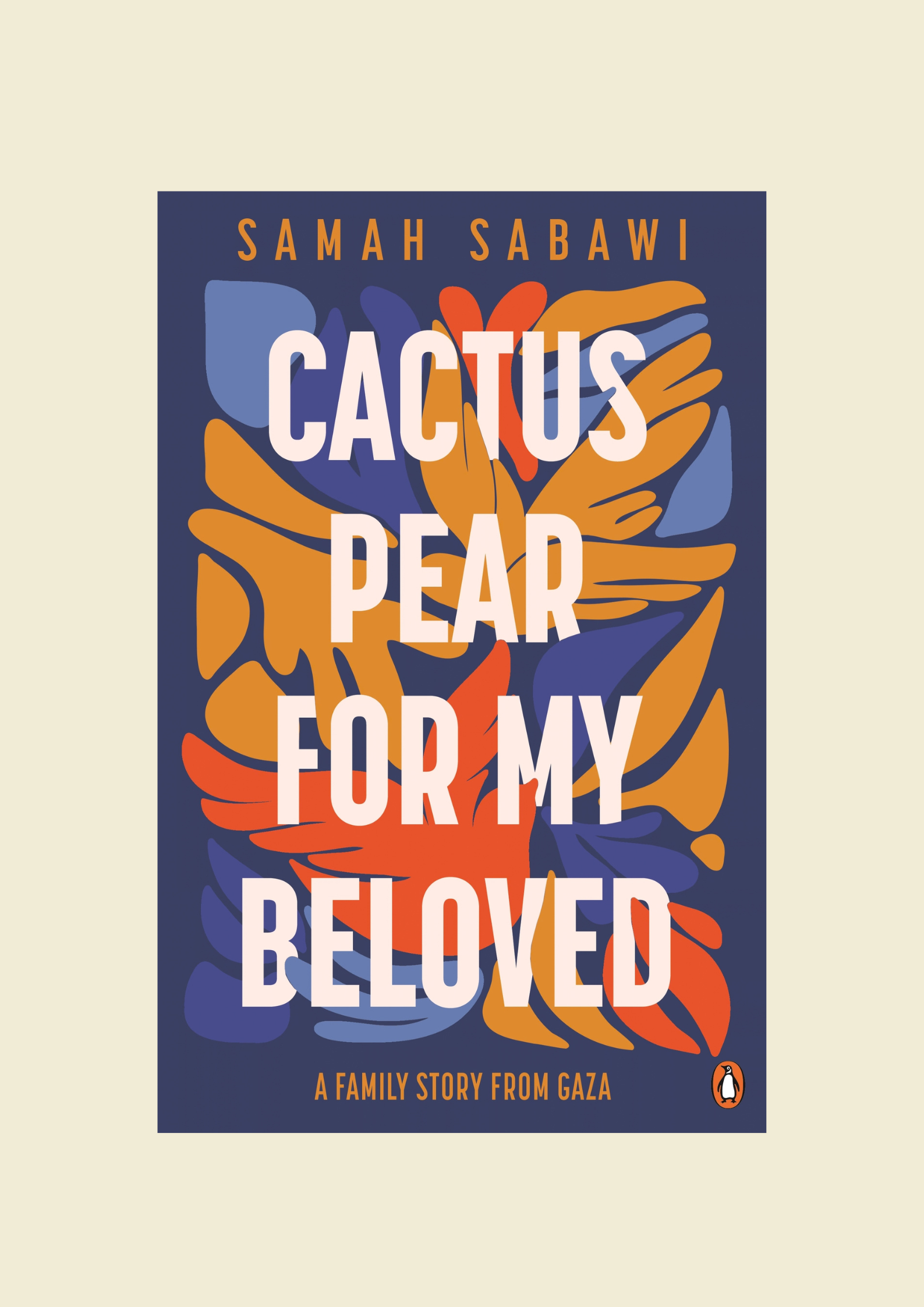
This month Stella celebrates Cactus Pear For My Beloved, shortlisted for the 2025 Stella Prize. We spoke with Samah Sabawi about reimagining …
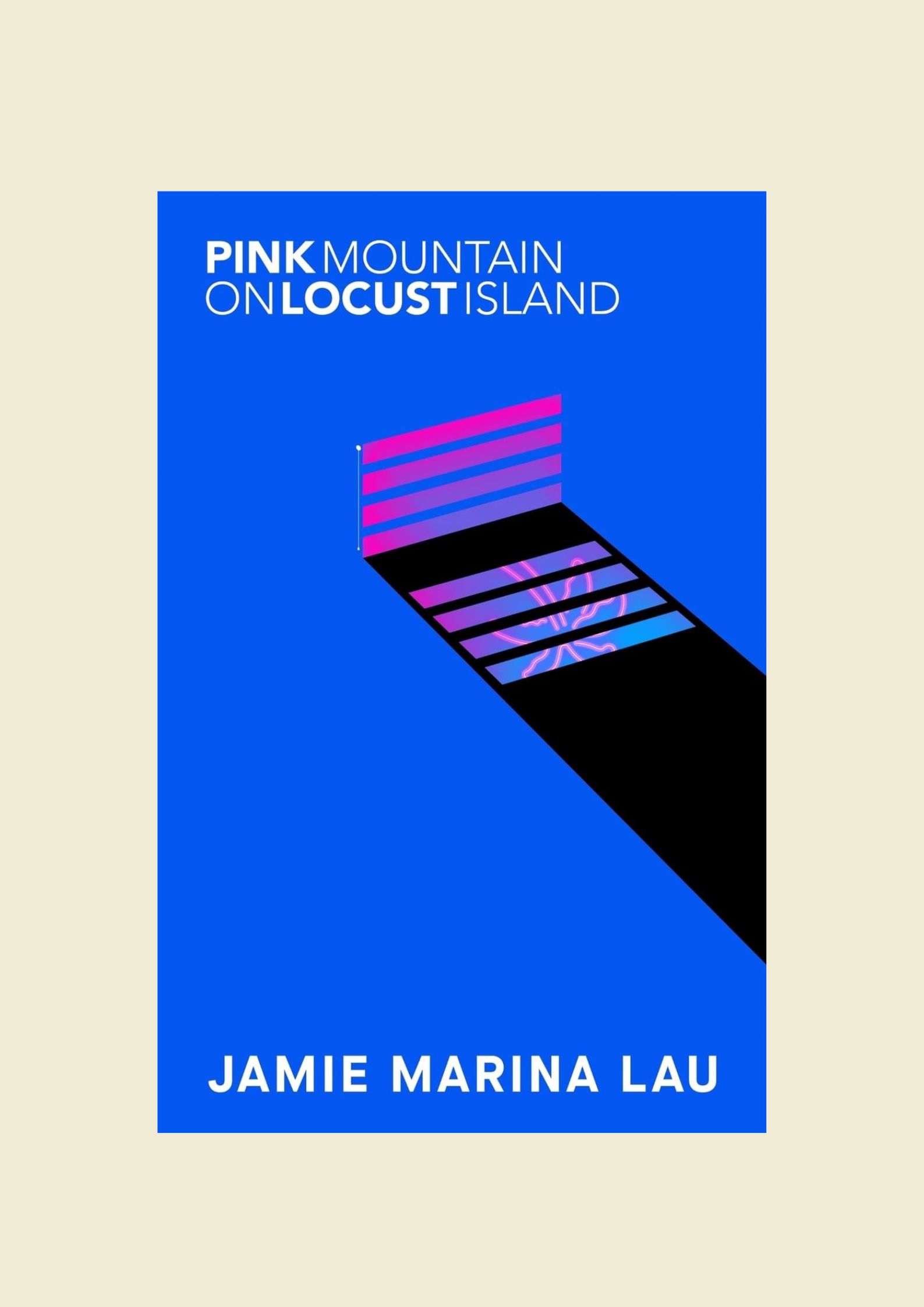
This month Stella celebrates Pink Mountain on Locust Island, shortlisted for the 2019 Stella Prize. We spoke with Jamie Marina Lau to …
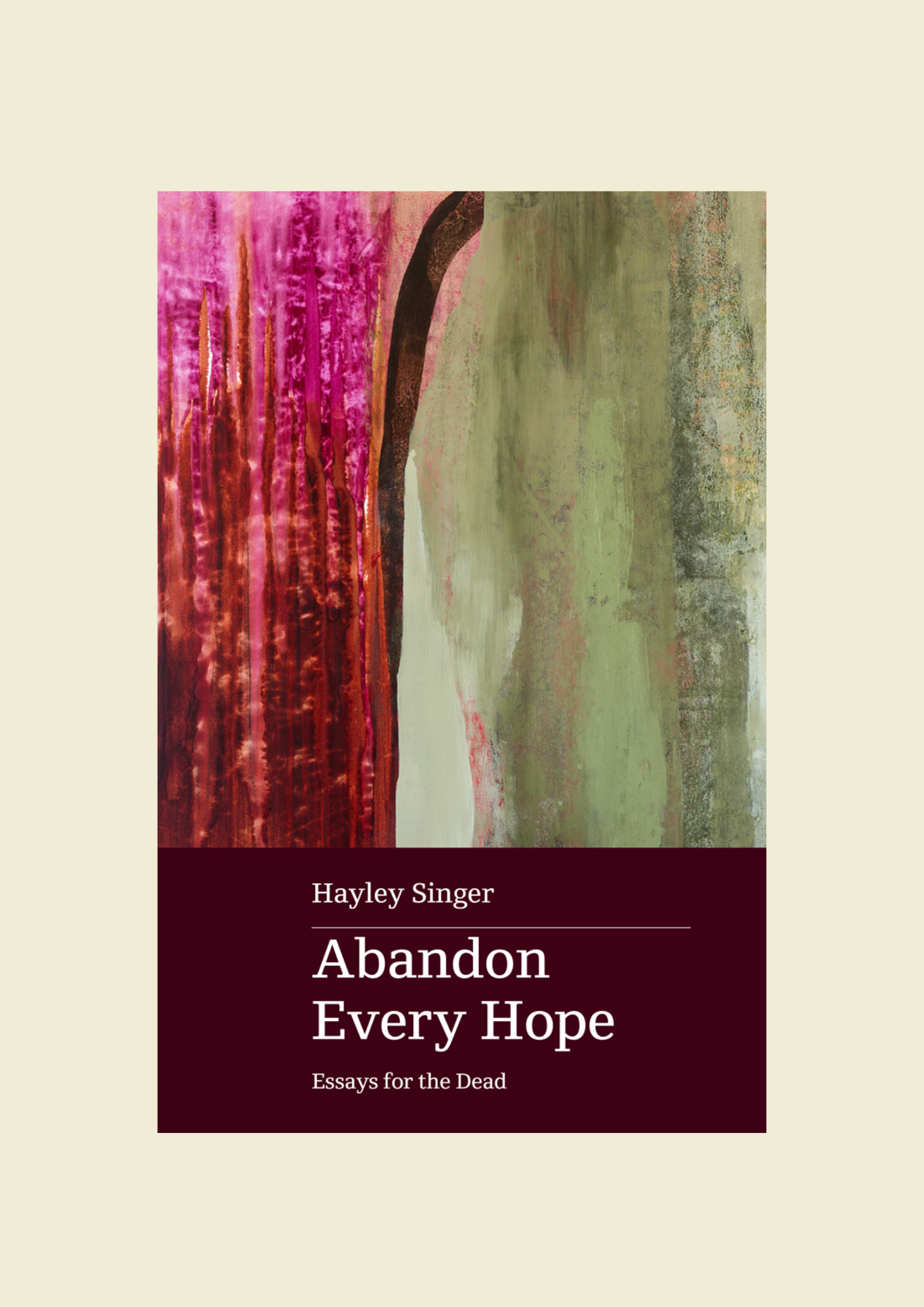
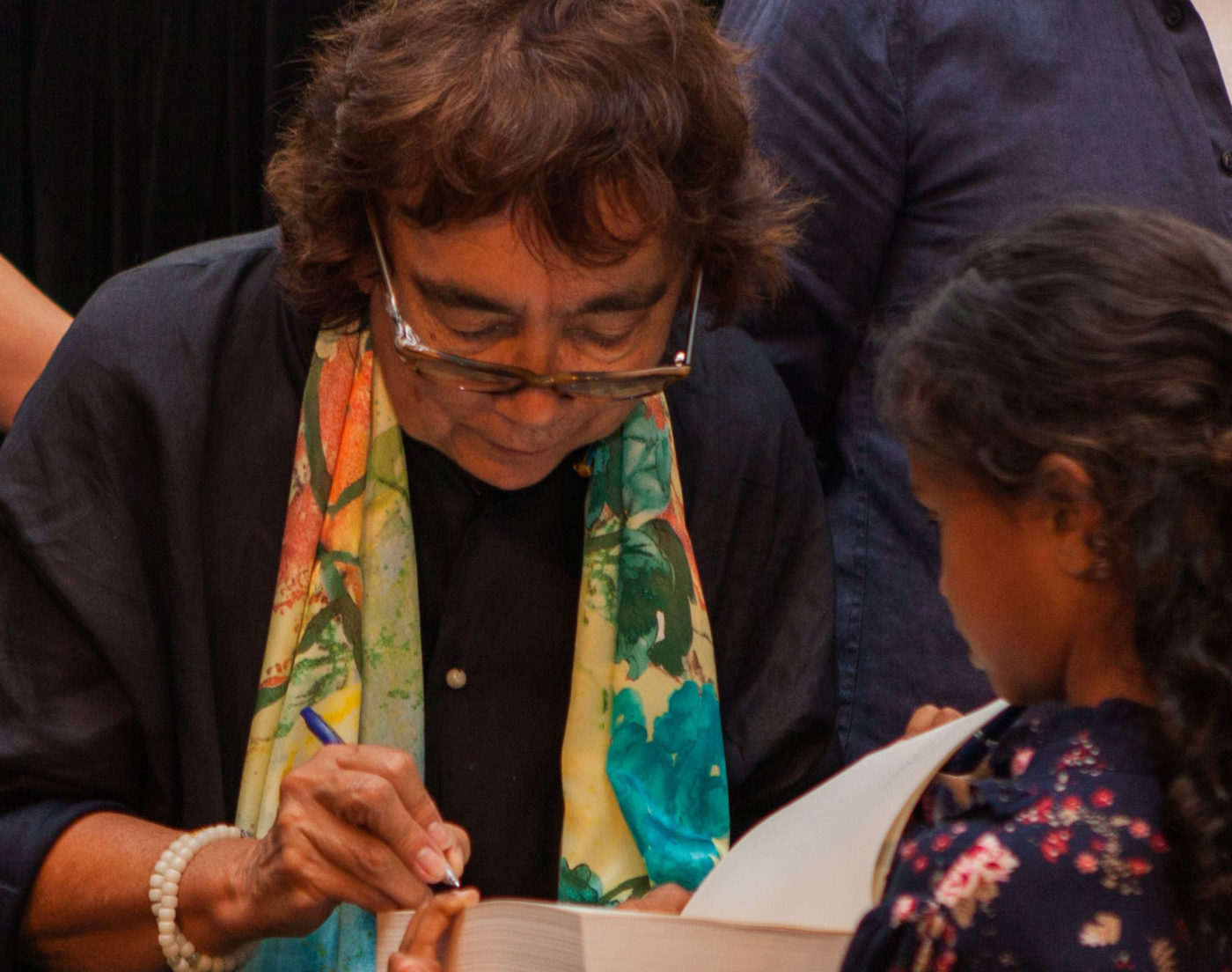
This month Stella celebrates Abandon Every Hope: Essays for the Dead, shortlisted for the 2024 Stella Prize. We sat down with Hayley …
Help change the story
As a not-for-profit organisation with ambitious goals, Stella relies on the generous support of donors to help fund our work.
Every donation is important to us and allows Stella to continue its role as the leading voice for gender equality and cultural change in Australian literature.
Stella is a not-for-profit organisation with DGR status. All donations of $2 or more are tax-deductible.
SUBSCRIBE
Join our mailing list to stay up-to-date on Stella news, events and opportunities
Stella is grateful to the ongoing generosity of our supporters:
CONTACT STELLA
The Stella Prize Inc
info@stella.org.au
ARBN: 657 317 283
Stella acknowledges the Traditional Owners of the land throughout Australia and recognises their continuing connection to land, waters, community, and culture.
We pay our respect to Elders past and present and, through them, to all Aboriginal and Torres Strait Islander people.
Website design canyonbrand.com