
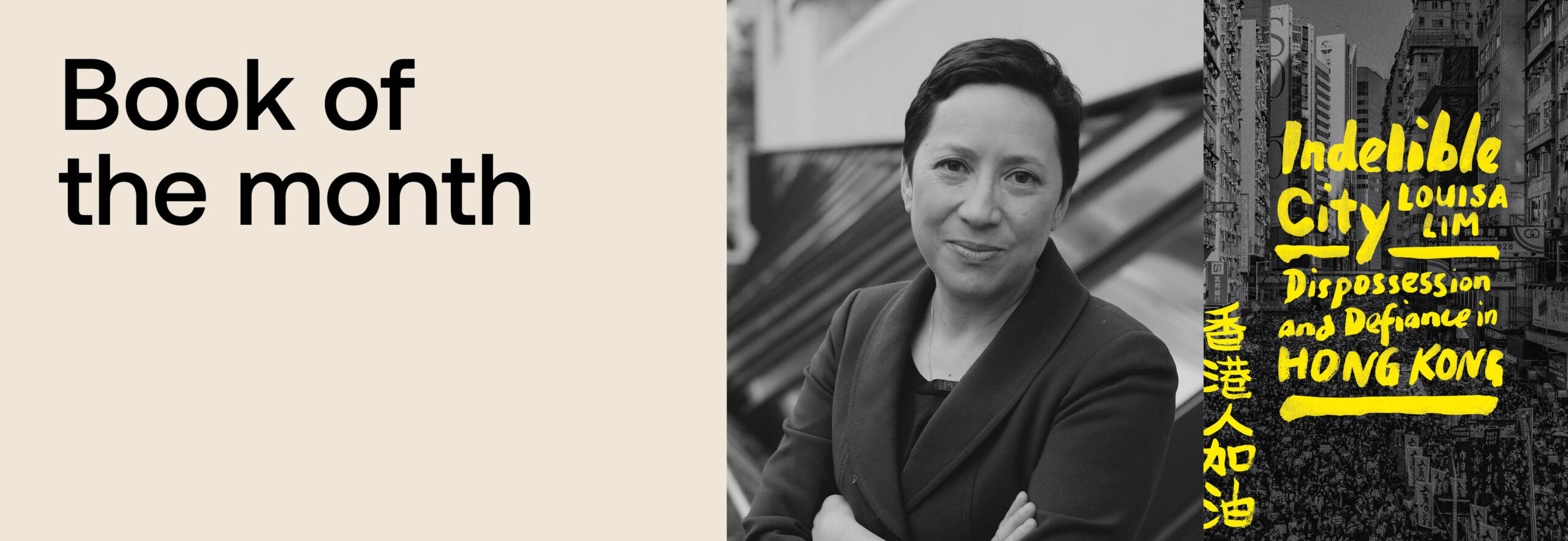
This month Stella celebrates Indelible City: Dispossession and Defiance in Hong Kong, shortlisted for the 2023 Stella Prize.
We sat down with Louisa Lim to discuss personal and political legacies, and writing the past and the present, in this powerful interview for our blog. Read below.
What are you reading at the moment?
I’m reading The Colour of Twilight, which is the final book by the Singaporean writer Yeng Pway Ngon, who died in 2021. Yeng won the Singapore Literature prize four times but is less well-known in English, despite the efforts of translator Jeremy Tiang, who’s published English versions of three of Yeng’s books. The Colour of Twilight is quite a sad portrait of an ageing, disillusioned Sinophone writer, who has been pushed to the edges of the Anglophone literary establishment, and is wondering whether he has wasted his life.
I’ve found it particularly poignant reading this book right now since I’ve just stumbled across a cache of classical Chinese poetry written in the 1920s by my Singaporean grandfather, Lim Keng Chiew, who was a scholar and a poet. Noone in my family had ever seen his poems before, or even knew that they existed. I’d just started this book when I received an email from a friend in Singapore, a literature professor called Lam Lap, who sent me a series of four poems by my grandfather that he’d found in a newspaper. My grandfather was also writing about the vicissitudes of making a living through selling words. These poems include one line where he asks, “How have Chinese characters come to be so cheap?” So it felt very serendipitous to be reading this book.
Do you remember how you felt when you found out you’d been shortlisted for the 2023 Stella Prize?
I was doing a writing residency in a castle in Scotland when I found out I’d been shortlisted for the Stella. I’d been huddled at my desk in a blanket, shivering, when I got the email, and the news was like a blast of warmth.
It was a moment of utter delight and great surprise, since I hadn’t even known that my publisher, Text, had submitted the book for consideration. Being shortlisted for the Stella was fantastic for my book and brought it to new audiences, so I’ll always be extremely grateful for that.
Indelible City weaves reporting, history and personal memoir. When you began writing this book, did you imagine the finished text as more memoir, journalism, or a different form?
The book changed shape as I was writing it due to the massive protests in 2019 that mobilised massive swathes of Hong Kong’s population into the streets. They were initially protests against proposals to change the law on extradition, but these morphed into pro-democracy protests. I was in Hong Kong when the protests started and I felt a real need to document what I was seeing for posterity in case history would later be rewritten, so the journalistic aspect of the book really came to the fore at that time. But I also wanted to write this book for Hong Kongers, to centre Hong Kong people in Hong Kong’s history, which had been narrated for it by successive sovereign powers. I’d found some really important archival interviews that had been languishing on a library shelf. They shed light on how unhappy certain important Hong Kong figures had been with the agreement that Britain had struck in the 1980s to return Hong Kong to Chinese sovereignty. These people had since died, so their archival interviews felt like voices from beyond the grave. I felt strongly that the history sections should not be truncated or dumbed down. I never felt that I had to make a choice between writing journalism or history or memoir. I don’t like being pigeonholed, and I like having the freedom to write in a voice that encompasses all three.
2023 Stella Prize Judges
How did writing Indelible City change your understanding of Hong Kong, or your sense of belonging to the City?
It was really through writing Indelible City that I grappled with my sense of belonging to Hong Kong. I grew up in Hong Kong and always considered the city to be my home even though neither of my parents are native Hong Kongers and my Cantonese is not great. In many ways my claims to the city were quite slight, and I was very worried that I wasn’t qualified to write a book about Hong Kong.
So I did an awful lot of research, including a PhD on Hong Kong identity. In the end, the factor that really strengthened my sense of belonging was taking part in the 2019 protests, marching through the streets with a million other Hong Kongers, chanting and sweating and being teargassed together. Ultimately, the book is a love letter to Hong Kong, as well as an epitaph to my Hong Kong since the Hong Kong that I know has already been changed beyond recognition.
Judges Report
In Indelible City, Lim combines on-the-ground reporting of the experience of protestors in Hong Kong with an investigation into Hong Kong’s competing and contested histories. The work challenges how the media frames stories ‘from both sides’, and poses questions for all forms of history making, including contemporary non-fiction and memoir.
By choosing to participate in – and not just stand witness to – events, and then critiquing her reasons for doing so, Lim transgresses traditional expectations of journalism and forces the reader to consider the role journalism plays in shaping our understanding of the world. Indelible City is a vibrant international literary achievement, speaking to the shifting geopolitical moment we find ourselves in while also examining the ongoing legacy of imperialism and colonialism.
What did you want readers to understand about erasure – memory, identity, and culture? Did you feel a sense of importance and urgency while writing this book?
I was struck by how quickly and how thoroughly Hong Kong has been remade, after the Chinese authorities imposed draconian national security legislation upon the territory in 2020. It has been astonishing to see just how quickly institutions that defined Hong Kong have been dismantled, whether they be political parties, trade unions or media outlets.
When it came to erasure, the authorities were not just rewriting the past, they were also rewriting the present even as it happened. To give just one minor example, when the government reduced the number of directly elected seats in the legislature, they framed it as a move towards greater democracy. This type of mass gaslighting also served as a raw exercise of power, and it devalued language itself, stripping words of their meaning. So that gave me a real sense of urgency, that I needed to set down what I had seen before it was spun or revised or simply erased from the record.
What surprised you the most about the readers reactions and reviews of Indelible City?
I’ve been surprised by the strength of the reaction. I’ve received so many messages from readers thanking me for writing the book. They’re often people with a backstory. Maybe they’re biracial like me with one Chinese parent and one Caucasian one, or maybe they grew up in Hong Kong and then left the city, or maybe their parents are from Hong Kong so they see themselves as Hong Kongers without actually having grown up there.
These readers often say that reading Indelible City has helped them process their own relationship with the city, and I find these messages profoundly moving. I’ve also been contacted by a number of Hong Kong artists — visual artists and photographers and musicians — who have been inspired by the book to create new work. It’s such a gift to know that Indelible City has spoken to so many people in so many different ways. And it’s extraordinary to see how its impact is continuing to be felt through these acts of creativity, which so often are assertions of Hong Kong identity and history, and as such are also acts of resistance to erasure and forgetting.
About the Book
The story of Hong Kong has long been obscured by competing myths: to Britain, a ‘barren rock’ with no appreciable history; to China, a part of Chinese soil from time immemorial that had at last returned to the ancestral fold. To its inhabitants, the city was a place of refuge and rebellion, whose own history was so little taught that they began mythmaking their own past.
When protests erupted in 2019 and were met with escalating suppression from Beijing, Louisa Lim – raised in Hong Kong as a half-Chinese, half-English child, and now a reporter who had covered the region for a decade – realised that she was uniquely positioned to unearth Hong Kong’s untold stories.
Lim’s deeply researched and personal account is startling, casting new light on key moments: the British takeover in 1842, the negotiations over the 1997 return to China, and the future Beijing seeks to impose. Indelible City features guerrilla calligraphers, amateur historians and archaeologists who, like Lim, aim to put Hong Kongers at the centre of their own story.
Wending through it all is the King of Kowloon, whose iconic street art both embodied and inspired the identity of Hong Kong – a site of disappearance and reappearance, power and powerlessness, loss and reclamation.
About the Author
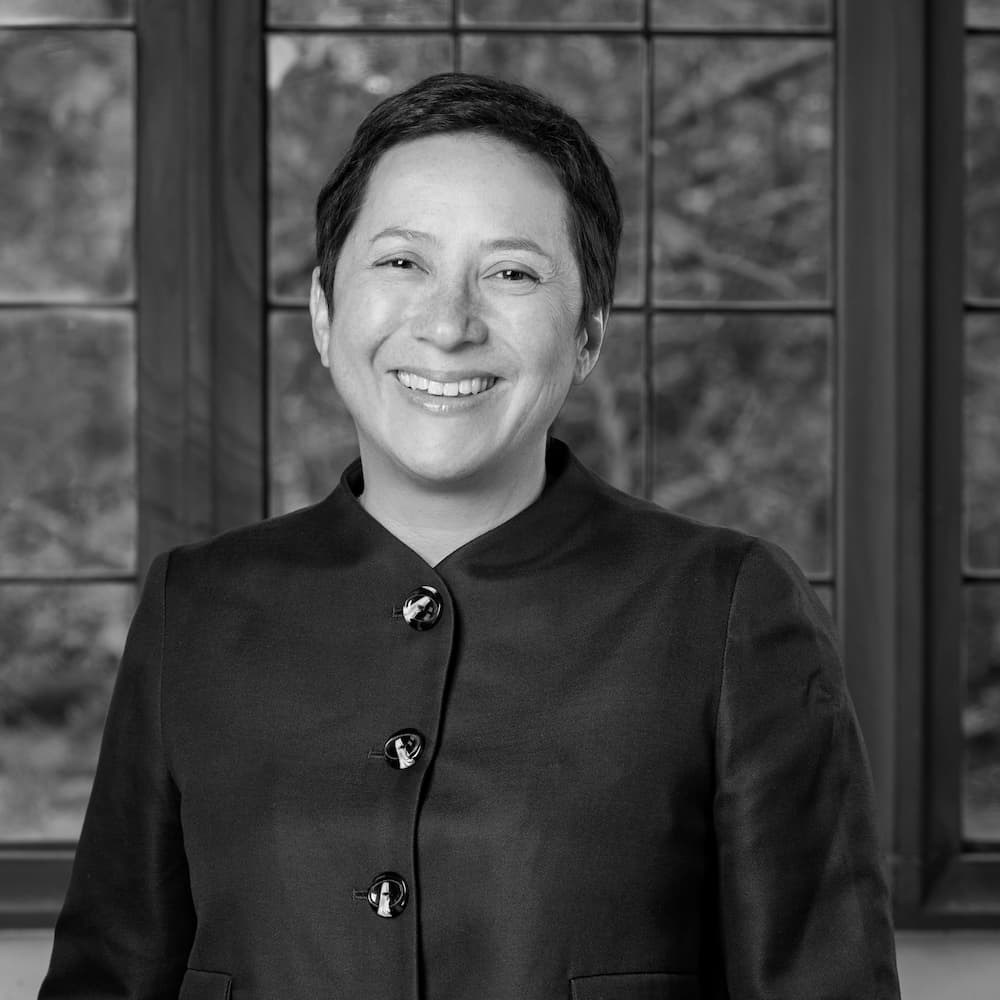
Louisa Lim
Louisa Lim is an award-winning journalist and podcaster who reported from China for a decade for BBC and NPR. Her second book, Indelible City; Dispossession and Defiance in Hong Kong (Text publishing, 2022) was shortlisted for the Stella Prize and the Prime Minister’s Literary awards, among others. It won the 2024 OpenBooks Award in Taiwan and was named a New York Times Notable book. Her first book The People’s Republic of Amnesia; Tiananmen Revisited was shortlisted for the Orwell Prize. She is an Associate Professor in Audiovisual Journalism at the University of Melbourne’s Centre for Advancing Journalism and co-hosts the Little Red Podcast.
Further Reading
Reviews
“Indelible City dismantles the received wisdom about Hong Kong’s history and replaces it with an engaging, exhaustively researched account of its long struggle for sovereignty.” – Amy Qin, The New York Times
“An ambitious project and a grand achievement, blending reportage and memoir to tell the story of a city caught between two competing narratives … Indelible City demonstrates the power of words in ways readers might not expect.” – Elizabeth Flux, The Saturday Paper
“Indelible City is more than a book: it is a haunting testimonial to the intertwined vitality, tragedy and hope of Hong Kong. Louisa Lim weaves together three powerful narratives to tell this city’s story…Unforgettable reading.” – Kevin Carrico, The Conversation
Links
Listen to an interview with Louisa Lim on ABC Radio National’s Conversations
Hear Louisa discuss Indelible City on NPR’s Morning Edition
Read an interview with Louise Lim for Shondaland
Explore the latest from Stella
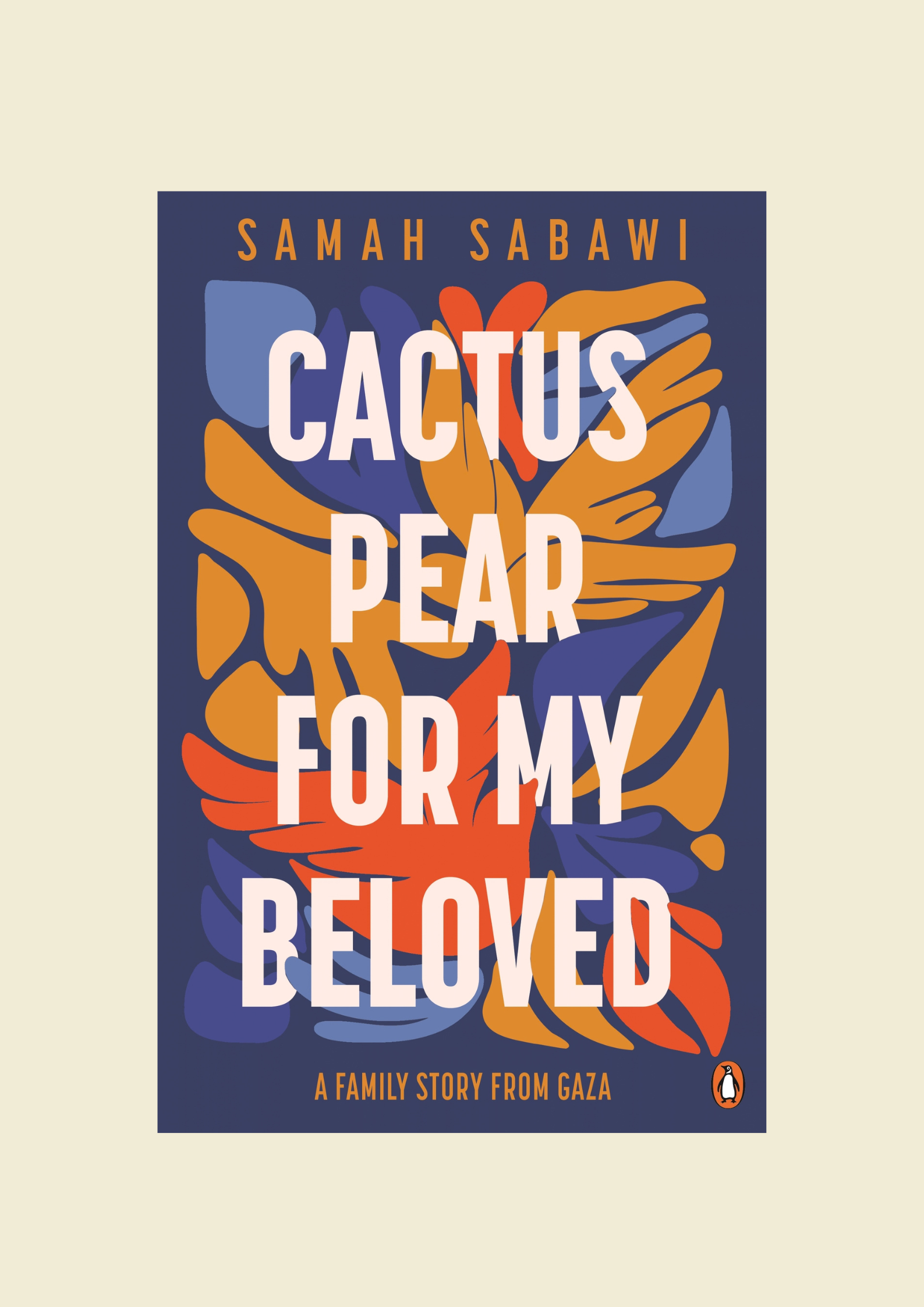
This month Stella celebrates Cactus Pear For My Beloved, shortlisted for the 2025 Stella Prize. We spoke with Samah Sabawi about reimagining …
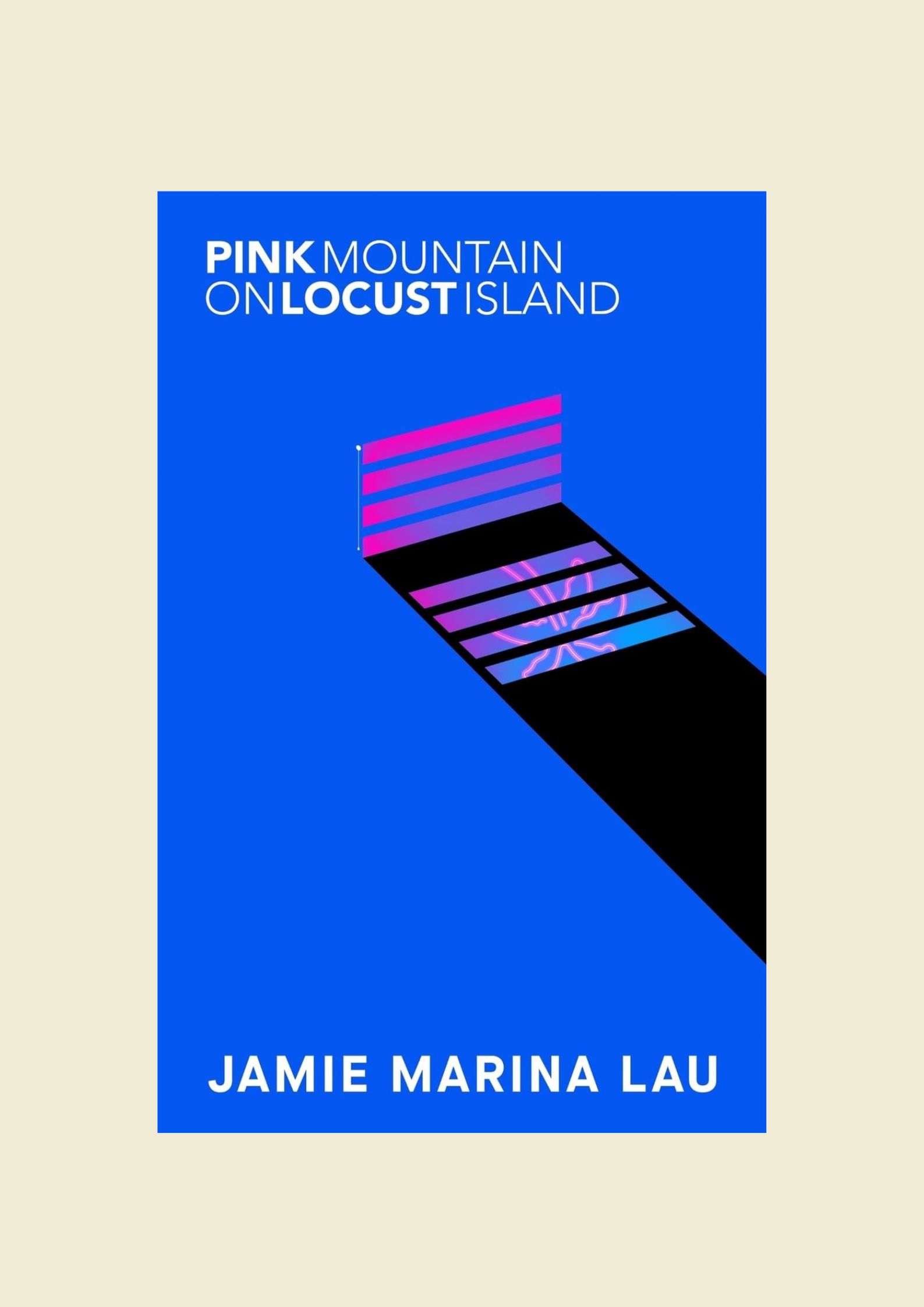
This month Stella celebrates Pink Mountain on Locust Island, shortlisted for the 2019 Stella Prize. We spoke with Jamie Marina Lau to …
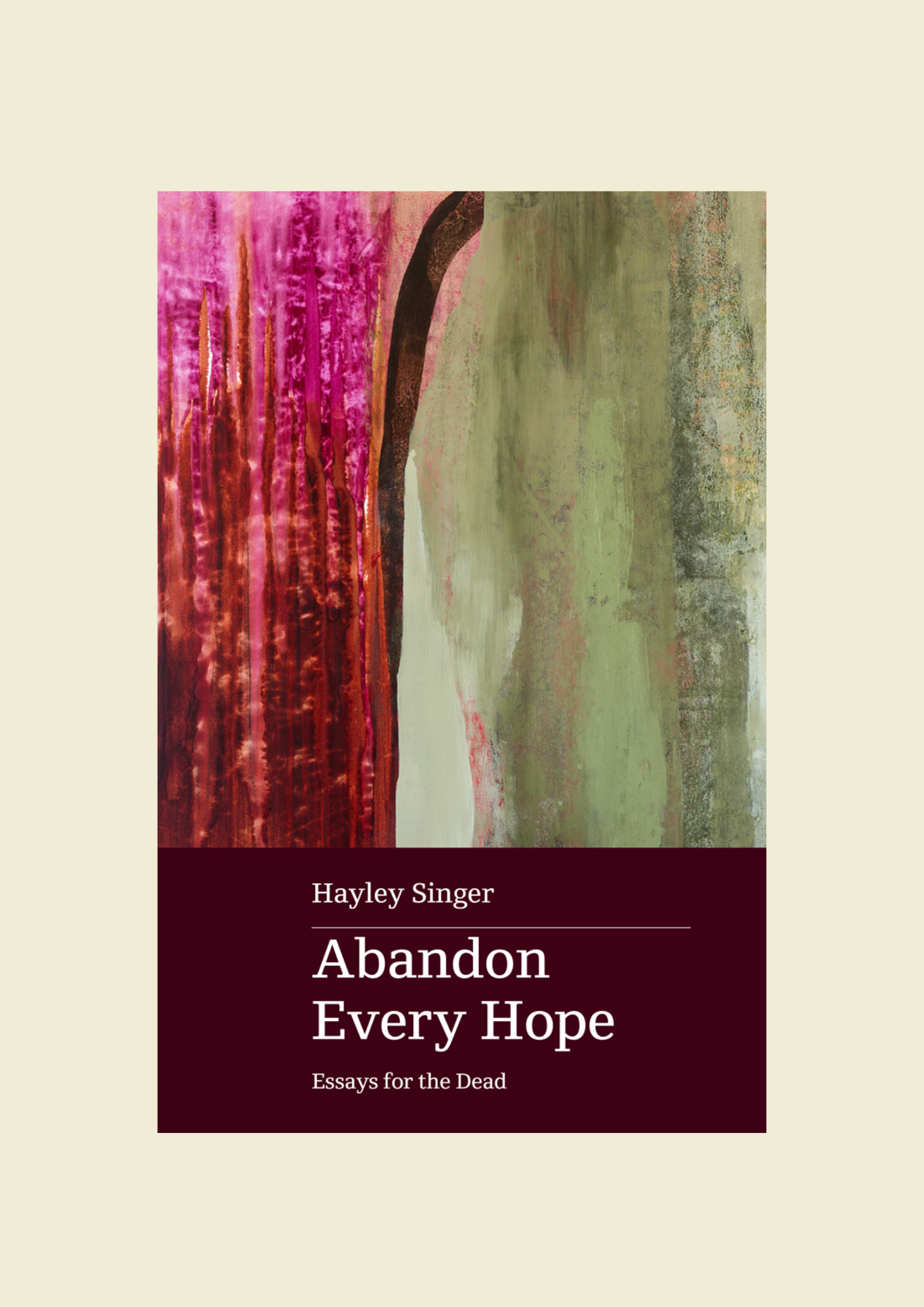
This month Stella celebrates Abandon Every Hope: Essays for the Dead, shortlisted for the 2024 Stella Prize. We sat down with Hayley …
Help change the story
As a not-for-profit organisation with ambitious goals, Stella relies on the generous support of donors to help fund our work.
Every donation is important to us and allows Stella to continue its role as the leading voice for gender equality and cultural change in Australian literature.
Stella is a not-for-profit organisation with DGR status. All donations of $2 or more are tax-deductible.
SUBSCRIBE
Join our mailing list to stay up-to-date on Stella news, events and opportunities
Stella is grateful to the ongoing generosity of our supporters:
CONTACT STELLA
The Stella Prize Inc
info@stella.org.au
ARBN: 657 317 283
Stella acknowledges the Traditional Owners of the land throughout Australia and recognises their continuing connection to land, waters, community, and culture.
We pay our respect to Elders past and present and, through them, to all Aboriginal and Torres Strait Islander people.
Website design canyonbrand.com