
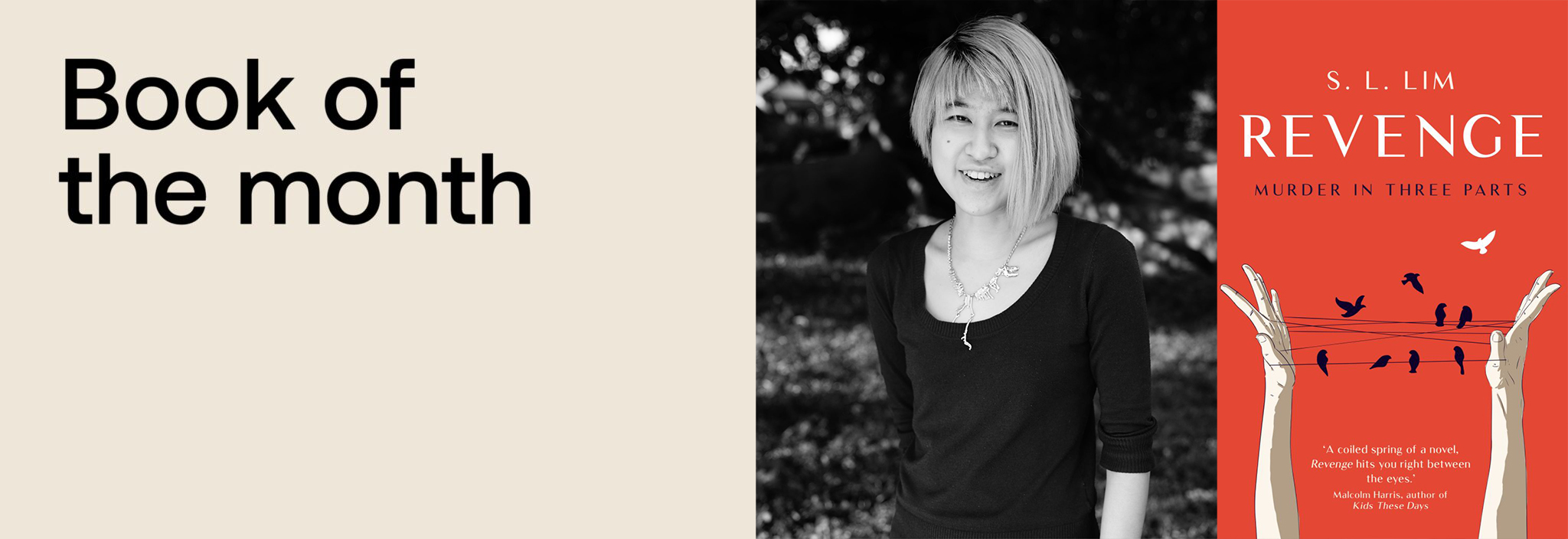
This month Stella celebrates Revenge: Murder in Three Parts, shortlisted for the 2021 Stella Prize.
We sat down with S.L. Lim to chat writing through memory and cultural history on our blog. Read below.
Do you remember how you felt when you found out you’d been shortlisted for the 2021 Stella Prize?
I felt great! It was exciting and fun. It didn’t change how I felt about my work, but it was affirming to get recognition from the outside world.
Like most people who write, I’d experienced a lot of rejection and that didn’t make me think my work was bad, so when I got recognition that also didn’t necessarily prove to me that my work was good (though I do believe that!). It just gave me a chance to share it with more people.
2021 Stella Prize Judges
Tell us a little bit about how Revenge was created. What personally drew you to write a story centred around vengeance?
I was personally driven to write about revenge by an insatiable desire for personal vengeance!
More seriously, I think a story should start with you, but it doesn’t end there. A novel has to have a core of something urgent, private and idiosyncratic. But if it doesn’t go beyond that, it’s not art, it’s just venting.
Revenge was written by me, and I am obviously a real person who has had real experiences. I also feel a level of anger about the world not being how I think it should be. But turning this into a novel is kind of like an irreversible operation in maths. You can’t deduce what was there before by looking at what exists now.
This is a roundabout way of saying I truly do not know why I did this. Still, a good book should reveal more than the writer intends, so maybe you can tell me why! By the way, a couple of scenes are completely autobiographical, but the novel as a whole is very much not. I haven’t killed anyone yet.
Did the story turn out the way you first imagined it, or did it shift and surprise you along the way?
There were a few fixed points that were emotionally and structurally fundamental, and the rest was constructed around this. Sometimes when I’m writing a piece of (especially) fiction, I know exactly where I want to go, I just don’t know how to get there. It becomes a process of trying many different routes towards a point of recognition. ‘Yes, that’s what I meant.’
Yannie and Shan grow up in Malaysia, where much of the novel’s early tension takes root. Did you spend time there, either during the writing process, or earlier in your life?
Yes, I’ve spent time in Malaysia, but Yannie and Shan’s world is not my world. The story doesn’t happen in Malaysia, it happens in remembered Malaysia. There’s a difference. It is a rendering of what life might have been like in a different time and place, filtered through diasporic memory and (mis)representation.
Have you read ‘The Glass Menagerie’ by Tennessee Williams – the bit at the start where the narrator says, ‘this is a memory play’? And because it’s memory and not reality, the actors don’t eat with actual cutlery and props, they just sort of gesture in a stylised way using their hands. Well, Revenge is a memory play.
There is meant to be a level of abstraction which is meant to coalesce into emotional truth, although in the end it was written in a more realistic style than I initially intended. There were also some inaccuracies that I deliberately allowed to remain – for example, the layout of the house in the first scene does not really sound like a Malaysian house occupied by a family of that class position.
One line I quoted in the novel, ‘the long delayed but still expected something that we live for’, is also borrowed from ‘The Glass Menagerie’. In a way Yannie is a rendering of Tom from that play, who has to act ruthlessly to get out of a personal and economic trap, except she doesn’t quite manage to, at least initially.
So yes, the story is set in Malaysia, which has personal connotations. But it’s also set in ‘the place you needed to get away from’, whatever that means for you – maybe you managed it and maybe you didn’t…
Judges Report
S.L. Lim’s novel is a psychological portrayal of what happens when an unhinged, manipulative, violent man controls a domestic space – and the ruinous impacts it has on the lives of women and girls in his orbit.
Reminiscent of the menacing domestic oppressions explored in the novels of Elizabeth Harrower, Lim writes about the life of Yannie: a bright, brainy girl whose intellectual ambitions and longings are thwarted by her brother, Shan. Shan’s menace is enabled by his parents as a child, and as an adult, by educators and employers. Despite the unravelling of Yannie’s aspirations – and familial and social demands that she be subservient – her spirit is bold, brave, and gutsy.
Lim’s writing is tight and impeccably controlled. The fraught, charged atmosphere pervading this novel never abates. Across 230 tense pages we witness the entire life of Yannie unfold, as she shifts from a clever yet obstructed and diminished girl, to a grown woman on a quiet quest for retribution.
Have you noticed obvious differences in the response to Revenge from audiences in different countries or cultural contexts?
I decided to be brave and have a look at my Goodreads reviews! There weren’t obvious differences. In terms of formal criticism, the warmest responses have come from non-white reviewers, but I’m not sure if that reflects preference or the review assignment process. Apparently, there was also one very negative one, but I wasn’t curious enough to go around the paywall.
There was one writer, Jackie Bailey, who like myself has Malaysian Chinese ancestry. She wrote an incredibly generous response, which I think reflected some of her own overlapping cultural and historical experiences. And I was so caught up with various difficult things that I don’t think I valued her enough or was as generous as her in my appraisals. So this is my belated appreciation.
Actually, engaging with Jackie’s work in conjunction with reflecting on my own sparked a big breakthrough in my understanding, which I’m still struggling with. I’m being cryptic but this is 100% rooted in culture and history.
Since Revenge was first published in 2020, how has your relationship with the novel changed?
My understanding of the world Yannie and Shan grew up in has been very much expanded, and especially my knowledge of the historical violence which underlies their interpersonal violence.
That said, Yannie remains who she was and I find her exciting and compelling as a protagonist. With a bit of distance from the writing process, I can see her as an entity quite separate from myself and I enjoy her company. Whether you like her or not, she’s alive.
About the Book
“Before I go into my grave,” she says out loud, “I will kill that man.”
A brilliant new novel from the author of Real Differences. A family favour their son over their daughter. Shan attends university before making his fortune in Australia while Yannie must find menial employment and care for her ageing parents. After her mother’s death, Yannie travels to Sydney to become enmeshed in her psychopathic brother’s new life, which she seeks to undermine from within.
This is a novel that rages against capitalism, hetero-supremacy, mothers, fathers, families – the whole damn thing. It’s about what happens when you want to make art but are born in the wrong time and place.
S. L. Lim brings to vivid life the frustrations of a talented daughter and vengeful sister in a nuanced and riveting novel that ends in the most unexpected way. It will not be easily forgotten.
About the Author
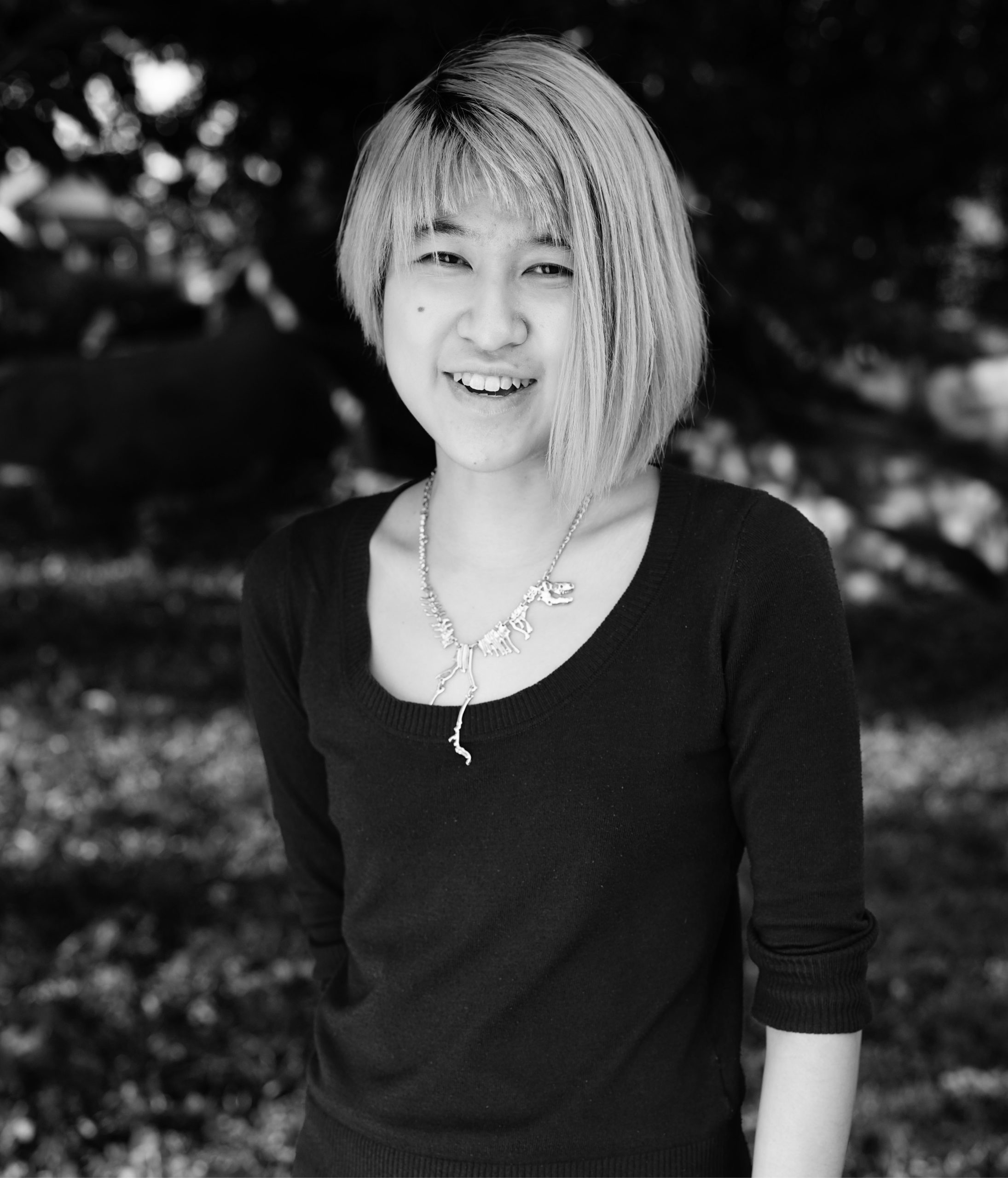
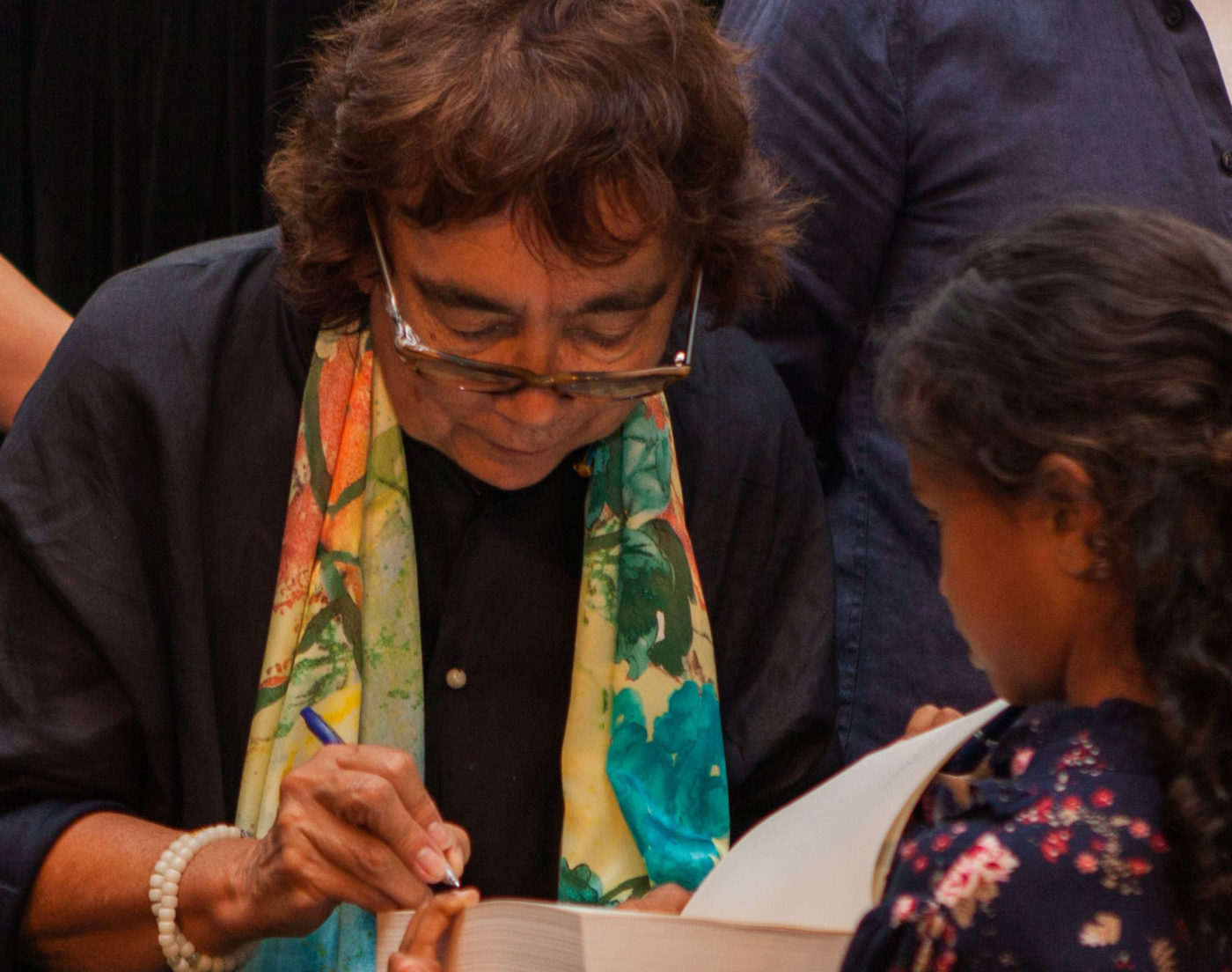
S.L. Lim
S.L. is the author of two novels, Revenge and Real Differences. They were born in Singapore and moved to Sydney at the age of one. An earlier version of Revenge was longlisted for the 2017 Epigram Fiction Manuscript Prize. Their poetry has appeared in the journals Capitalism, Nature, Socialism, Burning House Press and in anarcho-zines.
Further Reading
Reviews
“Lim has a way with language that feels both deliciously hypnotic and powerfully disarming.” Jessie Tu, The Guardian
“This is a complex novel about power, money, sexuality and systemic inequality, written with elegance and restraint.” Kerryn Goldsworthy, Sydney Morning Herald
Links
Read FWF Quarantine Q&A: S.L. Lim’ via the Feminist Writers Festival
Read “Between the Lines: S.L. Lim” via the Centre for Stories
Explore the latest from Stella

This month Stella celebrates Every Version of You, longlisted for the 2023 Stella Prize. We sat down with Grace Chan to discuss the …
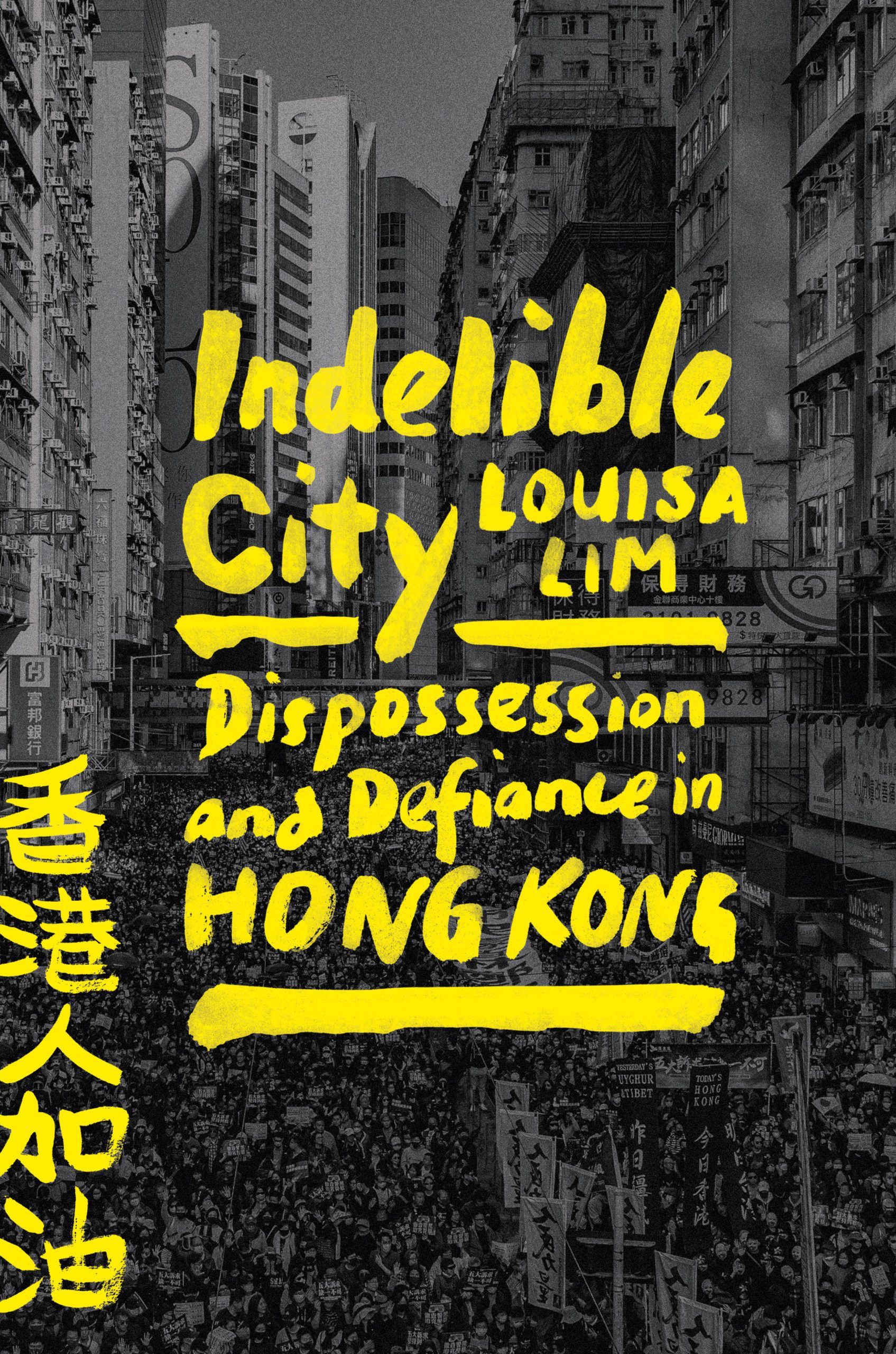
This month Stella celebrates Indelible City: Dispossession and Defiance in Hong Kong, shortlisted for the 2023 Stella Prize. We sat down with …
Stella Schools – Story Sessions: Brisbane Meet the storytellers shaping Australia’s literary future: an exclusive opportunity for highschoolers to meet the 2026 …
Help change the story
As a not-for-profit organisation with ambitious goals, Stella relies on the generous support of donors to help fund our work.
Every donation is important to us and allows Stella to continue its role as the leading voice for gender equality and cultural change in Australian literature.
Stella is a not-for-profit organisation with DGR status. All donations of $2 or more are tax-deductible.
SUBSCRIBE
Join our mailing list to stay up-to-date on Stella news, events and opportunities
Stella is grateful to the ongoing generosity of our supporters:
CONTACT STELLA
The Stella Prize Inc
info@stella.org.au
ARBN: 657 317 283
Stella acknowledges the Traditional Owners of the land throughout Australia and recognises their continuing connection to land, waters, community, and culture.
We pay our respect to Elders past and present and, through them, to all Aboriginal and Torres Strait Islander people.
Website design canyonbrand.com